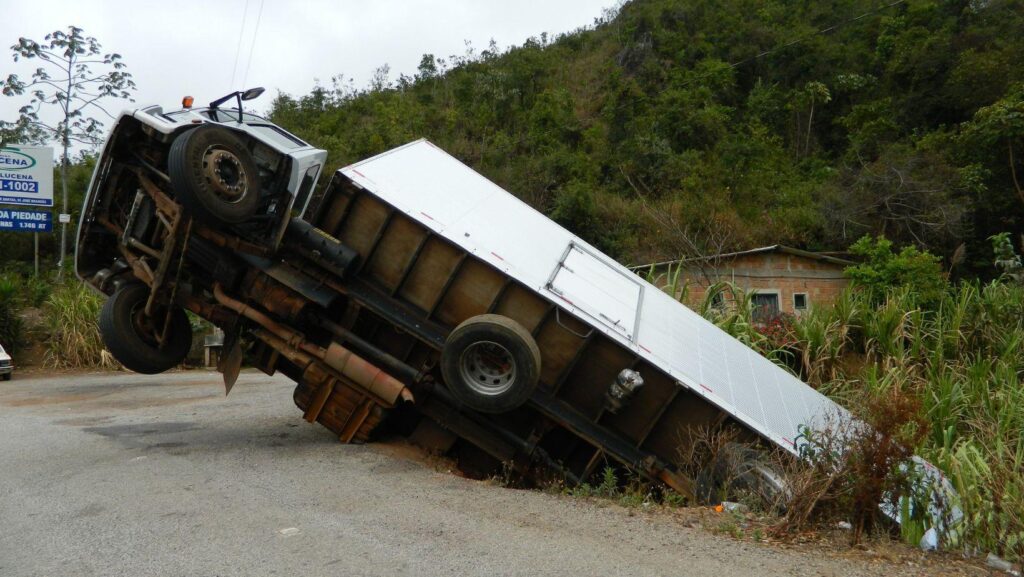
Tractor-trailers rely on interconnected mechanical systems to steer, brake, support heavy loads, and keep the tractor and trailer operating as one combination. Problems with brakes, tires, steering components, suspension parts, or coupling equipment can interfere with those functions. Federal Motor Carrier Safety Administration regulations require covered motor carriers to systematically inspect, repair, and maintain commercial vehicles under their control and keep safety-related parts in proper operating condition.
After a serious collision, an Austin truck accident claim may involve more than examining what the driver did immediately before impact. Maintenance records, inspection reports, repair histories, and the post-crash condition of the truck can help determine whether a mechanical problem contributed to the event. Texas Department of Public Safety commercial-vehicle inspections include brakes, steering, suspension, tires, wheel assemblies, and coupling devices among the equipment examined.
1. Brake Problems Can Reduce Stopping Performance
A tractor-trailer's braking system includes numerous components that have to work together. FMCSA inspection guidance directs inspectors and drivers to look for problems such as broken or missing brake parts, damaged brake chambers, and cracked, worn, or leaking hoses, lines, and couplings. Trailer brake connections are also among the equipment drivers are expected to check before operating a commercial vehicle.
Brake maintenance receives additional federal oversight because of its safety implications. FMCSA requires motor carriers to ensure that employees responsible for brake inspection, maintenance, service, or repair meet applicable qualification requirements. Texas DPS guidance likewise explains that carriers are responsible for making certain brake inspections and repairs comply with federal regulations. A crash involving difficulty stopping can therefore lead investigators to examine brake condition, previous defects, repairs, and inspector qualifications.
2. Worn or Damaged Tires Can Create a Roadway Hazard
Commercial truck tires operate under specific federal condition requirements. Texas DPS's summary of 49 C.F.R. § 393.75 states that a vehicle cannot be operated on a tire with exposed ply or belt material, tread or sidewall separation, an audible leak, or certain cuts exposing structural material. The regulation also establishes minimum tread depths of 4/32 of an inch for front tires on trucks and truck tractors and generally 2/32 of an inch for other covered tires.
Maintenance extends beyond measuring tread. FMCSA inspection materials direct operators to examine tires for inflation, cuts, bulges, sidewall defects, improper repairs, and contact with other vehicle components. Wheels and rims also need inspection for cracks, damaged or missing fasteners, and other defects. When tire or wheel failure precedes a collision, maintenance and inspection records can help show whether signs of deterioration existed before the truck entered service.
3. Steering Defects Can Interfere With Vehicle Control
The steering system connects driver input to the movement of a large commercial vehicle. FMCSA's CDL inspection guidance directs drivers to inspect the steering box for secure mounting and leaks and to look for missing nuts, bolts, or cotter keys. Steering linkage components, including connecting arms and rods, are also checked for wear or cracking.
These components are part of the broader maintenance obligation imposed on commercial carriers. FMCSA's Motor Carrier Safety Planner specifically identifies steering systems among the parts and accessories that must remain in safe operating condition. Texas commercial inspections also include the steering system. If a driver reports difficulty steering before a crash or investigators discover damaged components afterward, prior inspections and repair records may help establish when the condition developed.
4. Suspension Problems Can Affect How the Truck Carries Its Load
A tractor-trailer's suspension keeps axles positioned and supports the vehicle as it travels over changing roadway surfaces. FMCSA inspection guidance identifies several defects inspectors look for, including shifted, cracked, or missing springs; loose shackles; missing bolts; unsecured spring hangers; cracked or loose U-bolts; and problems with axle-positioning components. Evidence of axle misalignment is also part of the inspection.
Federal maintenance requirements expressly include suspension systems, axles, and attaching parts among safety-related equipment that carriers must inspect and maintain. Texas DPS also lists suspension among the required commercial-vehicle inspection items. When damaged suspension components are discovered after a crash, investigators may compare their condition with repair invoices, preventive-maintenance schedules, driver reports, and prior inspection findings to determine whether the problem had been documented earlier.
5. Coupling Problems Can Compromise the Tractor-Trailer Connection
The fifth wheel and related coupling equipment secure the semitrailer to the tractor. Because the combination depends on that connection, federal inspection requirements specifically include coupling devices. FMCSA pre-trip guidance lists them among the components a driver must be satisfied are in good working order before operating the vehicle.
Texas DPS's motor-carrier guidance states that federal periodic-inspection criteria address fifth-wheel mounting fasteners and other coupling components. FMCSA's CDL inspection materials also direct drivers to inspect the connection between the tractor and trailer as part of a combination-vehicle inspection. A damaged locking mechanism, worn component, or ineffective mounting part can therefore raise questions about coupling procedures, previous inspections, and whether repairs were completed before the vehicle returned to service.
Maintenance Records Can Help Reconstruct What Happened
Federal rules require more than simply fixing a truck after something breaks. FMCSA states that motor carriers must systematically inspect, repair, and maintain vehicles under their control. Required maintenance records include identifying information for the vehicle and documentation concerning inspections, repairs, maintenance, and scheduled service. Driver vehicle inspection reports identifying qualifying safety defects can also create records showing what drivers or carriers knew about a vehicle's condition.
Those documents can become significant after a tractor-trailer collision involving suspected equipment failure. A repair performed shortly before the crash may identify the component involved, while an earlier inspection may document deterioration that required attention. Maintenance records do not prove by themselves that a mechanical defect caused an accident, but they can establish a timeline for the truck's condition and the work performed on it.
Truck Maintenance Is Part of the Accident Investigation
Mechanical condition and driver conduct are not competing explanations that investigators have to consider separately. A collision can involve decisions made by the driver, conditions on the roadway, and the performance of the vehicle itself. Federal rules reflect that overlap by requiring drivers to check safety-related equipment before operation while also requiring carriers to maintain commercial vehicles systematically.
When brakes, tires, steering, suspension, or coupling equipment are suspected after a serious crash, examining the damaged components alongside inspection and maintenance records can provide a more complete account of what occurred. The central question is whether the equipment was in safe operating condition and, if it was not, whether that defect contributed to the collision. That analysis keeps the investigation focused on documented mechanical evidence rather than assumptions about why the tractor-trailer failed to respond as expected.