Have you ever sat in a restaurant and noticed how smooth service feels when every order moves at the right pace, and every plate arrives just as expected?
That kind of flow usually comes from a few core elements working together behind the scenes.
Restaurants run best when teams have clear steps, useful tools, and a simple way to stay in sync from the front counter to the kitchen.
Speed and accuracy are not only about moving fast. They also come from good communication, steady routines, and real-time visibility across daily tasks.
Why Speed And Accuracy Matter In Daily Restaurant Service
Fast and accurate service helps create a calm and well-organized shift. It supports team confidence, keeps orders moving in a clear order, and helps guests enjoy a more comfortable visit. When service runs smoothly, staff can focus more on hospitality, food quality, and timing.
It also helps managers make better use of time, ingredients, and staff effort. Small improvements in daily systems can lead to a more consistent service rhythm across lunch, dinner, pickup, and drive-thru operations.
1. Clear Order Entry
A clear order entry process is one of the first building blocks of efficient service. When staff can enter items quickly and confirm details with ease, the whole service line benefits.
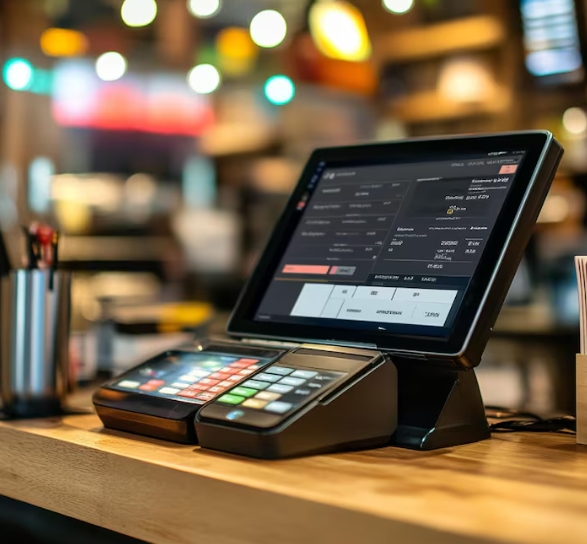
This is where a well-structured restaurant pos system can support faster order flow, cleaner communication, and better timing between the front and back of house.
Simple order screens, grouped menu items, and clear modifiers all help staff work with confidence. This keeps service moving at a steady pace while also helping each ticket reflect the guest’s request correctly.
2. Real-Time Kitchen Visibility
Real-time visibility helps the kitchen stay organized from the moment an order is placed.
A digital kitchen display system can help teams see incoming tickets in order, track prep timing, and manage priority items with better clarity.
This kind of setup supports:
- Faster handoff between service areas.
- Better ticket timing.
- Cleaner communication on special requests.
- A steadier kitchen flow.
3. Smart Menu Organization
A well-organized menu supports both speed and order accuracy. When menu categories are easy to scan, and item modifiers are clearly placed, staff can complete orders with less back-and-forth and more confidence.
This works especially well when menus are set up with:
- Popular items near the top.
- Logical category groupings.
- Simple modifier paths.
- Clear naming for add-ons and combo options.
4. Team Communication
Clear communication keeps every station connected. Front counter staff, servers, line cooks, expo staff, and managers all play a role in keeping service moving with care.
Short updates, clear callouts, and shared awareness help the team stay in sync.
A few simple habits can make a big difference:
| Element | How It Helps |
| Pre-shift check-in | Sets the tone for the shift |
| Clear station roles | Keeps tasks organized |
| Quick order confirmation | Supports accuracy |
| Timely updates | Helps everyone adjust smoothly |
5. Prepared Workstations
Prepared stations help staff move through the shift with better rhythm. When tools, ingredients, packaging, and service items are in the right place, team members can focus on the order in front of them.
This includes:
- Stocked prep areas.
- Labeled containers.
- Ready utensils and service tools.
- Clean and organized counters.
- Clear packaging zones for takeout and pickup.
6. Drive-Thru Coordination
Drive-thru service benefits from a clear order path and strong timing between order taking, payment, and handoff. A connected drive thru system can help teams keep orders visible, organized, and moving at a steady pace.
When the drive-thru lane is easy to manage, staff can focus on friendly service and accurate handoff. This helps create a quick and comfortable experience for guests while supporting smooth coordination inside the restaurant as well.
7. Staff Training And Refreshers
Training helps teams build confidence in the tools and steps they use every day. Short refreshers can also help keep service standards consistent across new and experienced staff.
Useful training areas include:
- Order entry practice
- Menu knowledge
- Guest communication
- Ticket review
- Handoff timing
8. Performance Review And Daily Adjustments
Regular review helps restaurants keep improving in a steady and practical way. Managers can look at service timing, ticket flow, and order completion patterns to see what is working well and where small refinements can support even smoother shifts.
A simple daily review can include:
- Busiest ordering windows
- Prep timing by station
- Top-selling items
- Smooth handoff points
- Staff feedback from the shift
Conclusion
Speed and accuracy in restaurants often come down to a set of clear basics done well each day. Clear order entry, real-time kitchen visibility, smart menu setup, team communication, prepared stations, drive-thru coordination, training, and daily review all help create a service style that feels steady and well-managed. When these eight core elements work together, restaurants can create a more comfortable experience for both guests and staff while keeping each shift moving with confidence.