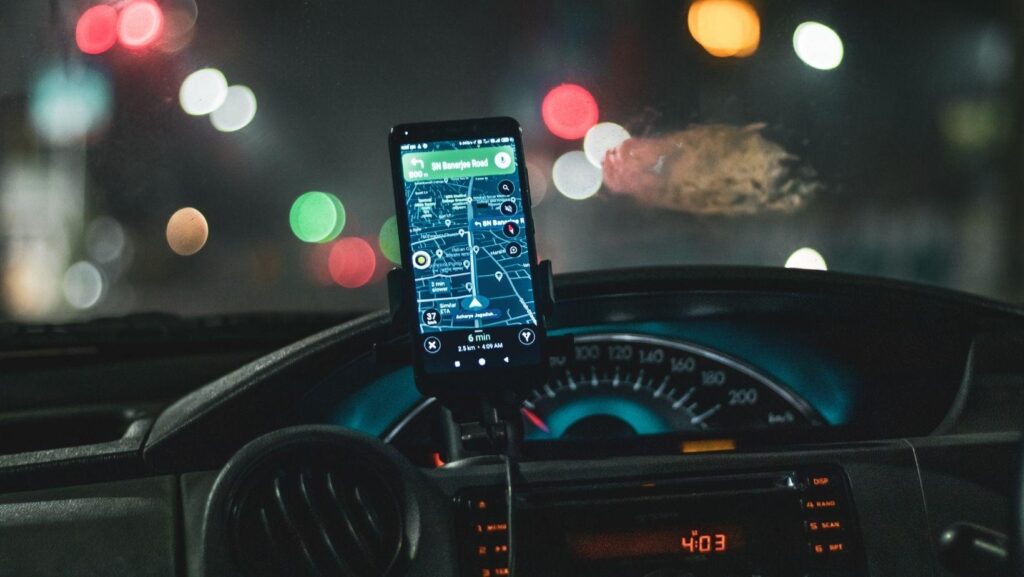
An Uber accident claim can be more complicated than a regular car crash because the driver may be using a personal vehicle while also working through a rideshare app. The key question is often what the driver was doing at the exact time of the collision.
That question matters because insurance coverage can change depending on whether the driver was offline, waiting for a ride request, heading to pick up a passenger, or actively transporting someone. A St. Louis Uber accident attorney can help determine which coverage may apply and how the driver’s app status may affect the claim.
Why App Status Matters So Much
Uber drivers move between personal driving and rideshare work throughout the day. A driver may be using the same car for errands one minute and accepting a ride request the next.
Because of that, the driver’s app status can affect which insurance policy is responsible. The claim may involve the driver’s personal auto insurance, Uber’s rideshare coverage, or more than one policy depending on the facts.
When the Driver Is Offline
If the Uber driver is not logged into the app, the crash is usually treated like an ordinary car accident. The driver is using the vehicle for personal reasons, not rideshare work.
In that situation, the driver’s personal auto insurance is typically the first place to look for coverage. Uber’s insurance generally does not apply simply because the person happens to be an Uber driver when the app is off.
When the Driver Is Logged In but Waiting
A more complicated situation happens when the driver is logged into the Uber app but has not yet accepted a ride. The driver may be waiting for a request while driving around, parked, or repositioning to a busier area.
This period can create disputes because the driver is available for rideshare work, but no passenger has been accepted yet. Insurance companies may look closely at the app records to determine whether the driver was truly online at the time of the crash.
When the Driver Has Accepted a Ride
Once an Uber driver accepts a ride request and is on the way to pick up a passenger, the claim usually enters a different coverage period. The driver is no longer merely available; they are actively performing rideshare work.
This can make Uber-related insurance coverage more important. However, the details still matter, including the timing of acceptance, the crash location, and whether the driver was following the app route.
When a Passenger Is in the Vehicle
If a passenger is already inside the Uber vehicle, the connection to rideshare work is usually clearer. The driver is actively transporting a customer, and the crash may involve coverage tied to that trip.
Passenger injury claims may include medical bills, lost income, pain and suffering, and other damages. Other injured people, such as pedestrians, cyclists, or occupants of another vehicle, may also need to know whether the Uber trip was active.
Why Drivers May Not Explain the Status Clearly
After a crash, the Uber driver may not immediately explain whether the app was on, whether a ride had been accepted, or whether a passenger was being transported. The driver may be confused, worried, or unsure how the information affects insurance.
In some cases, the driver may give an incomplete or inaccurate statement. That is why app records, trip data, police reports, passenger information, and insurance communications can become important evidence.
App Records Can Become Key Evidence
The Uber app may show when the driver logged in, accepted a trip, started navigation, picked up a passenger, or completed a ride. These timestamps can help place the crash within the correct coverage period.
This evidence can be especially important when insurance companies disagree. A personal insurer may argue the driver was working for Uber, while a rideshare insurer may argue the driver was not yet in an active ride period.
Insurance Companies May Point Fingers
Uber accident claims can involve several insurers. The Uber driver’s personal carrier, Uber-related coverage, and another driver’s insurance company may all try to shift responsibility.
This can delay the claim if each insurer argues that another policy should pay. The injured person may be left waiting while companies dispute app status, fault, coverage limits, and damages.
Fault Still Has to Be Proven
App status affects insurance coverage, but it does not replace the need to prove fault. The injured person must still show who caused the crash and how the collision led to their injuries.
Evidence may include photos, videos, police reports, witness statements, vehicle damage, medical records, dashcam footage, and traffic camera footage. The app status may determine available coverage, while crash evidence helps prove liability.
Multiple Parties May Be Involved
An Uber accident may involve more than the Uber driver. Another motorist, a commercial vehicle driver, a property owner, a vehicle manufacturer, or even a government entity responsible for unsafe road conditions may also contribute to the crash.
This matters because focusing only on Uber may miss other sources of responsibility. A complete investigation should consider every party whose actions or failures played a role in the collision.
What Injured Passengers Should Know
Uber passengers may still face disputes over fault and insurance coverage, even if they were not driving. Helpful steps include:
These records can help confirm that the trip was active and support the passenger’s claim.
What Other Drivers Should Know
People in other vehicles may not realize the at-fault driver was using Uber. If the rideshare connection is not identified early, the wrong insurance company may handle the claim at first.
After a crash, it can help to ask whether the driver was working for a rideshare company. Police reports, driver statements, phone records, and app data may later confirm whether Uber coverage should be considered.
Why Timing Can Change the Claim
In an Uber accident case, a few minutes can matter. A driver who had not yet logged in may be treated very differently from a driver who had just accepted a ride.
Likewise, a crash that happens seconds after passenger drop-off may raise questions about whether the ride was still active or had already ended. Careful timing evidence can help resolve these disputes.
Getting the Coverage Question Right
An Uber driver’s app status can shape the entire accident claim. It may determine which insurance policies apply, how much coverage may be available, and how quickly the claim can move forward.
Because rideshare crashes involve both accident evidence and digital trip records, injured people should preserve as much information as possible. Understanding the driver’s app status is often one of the first steps toward identifying the right insurance coverage and pursuing fair compensation.