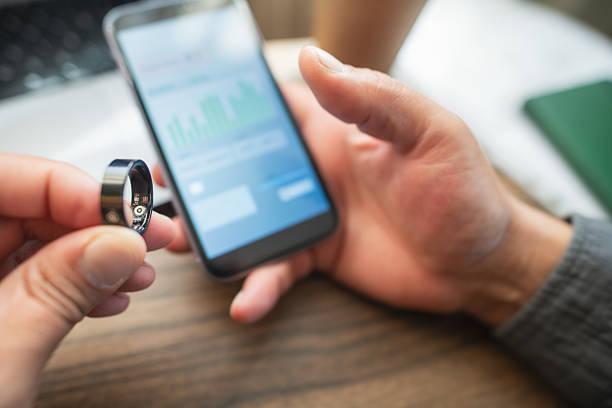
Wearable technology has moved far beyond basic step counting. Smartwatches, fitness bands and connected glasses are now helping users manage messages, payments, health information and entertainment from smaller screens. As these devices become more capable they are also changing expectations around speed, convenience and continuity across digital services.
Wearables Are Becoming Everyday Access Points
The main appeal of wearable devices is immediate access. A smartphone may remain the centre of a user’s digital life but a smartwatch can surface useful information without requiring the phone to be removed from a pocket or bag.
This is already common in areas such as transport, banking and fitness. Users can check a boarding pass, confirm a payment or review a workout summary with a quick glance at the wrist.
The same habits are beginning to influence digital entertainment. A user researching an emta casino may still complete most activity on a phone or laptop but wearable devices can support nearby tasks such as notifications, account alerts and payment confirmation.
This does not mean casino games will suddenly move entirely to smartwatches. Small screens are not suited to complex interfaces or detailed visual play. The more realistic opportunity lies in connected support functions that make the wider experience easier to manage.
Wearables work best when they remove friction from simple actions rather than trying to replace larger devices.
Small Screens Demand Better Design
Wearable interfaces force developers to prioritise what matters. There is little room for dense menus, long instructions or complicated settings.
A useful wearable interaction should usually be completed in a few seconds. The user might confirm a login, read a short notification or check whether a payment has been processed. Anything more complicated should move smoothly to a smartphone or desktop.
This design approach can improve other platforms as well. When developers decide which information is essential on a smartwatch they often gain a clearer understanding of what users need first on every screen.
Strong wearable design usually depends on:
The handover process is particularly important. A wearable may alert the user to an account update then allow the full details to open on a phone. The transition should preserve context so the user does not have to search for the same information again.
Voice controls may also play a larger role as wearable devices become more advanced. However they need to be used carefully in situations involving privacy or financial information.
Connected Payments Are a Major Growth Area
Payments are one of the strongest use cases for wearable technology. Contactless transactions have made smartwatches familiar financial tools in shops, transport systems and digital services.
For online platforms wearable confirmation can add convenience to authentication. A user may receive a request on a trusted device and approve it without entering a password manually.
This can support several practical tasks:
Convenience must still be balanced with control. Users should be able to see what they are approving and remove access from a lost or replaced wearable.
A vague confirmation prompt can create risk. The device should clearly show the action, amount and relevant account before approval. Sensitive tasks may also require an additional step on a phone or desktop.
Wearables can make financial interaction faster but they should not make it invisible. Users need clear records and easy access to full transaction histories on a larger screen.
Notifications Need Smarter Limits
Wearable devices are highly personal because they remain close to the user throughout the day. This makes notifications useful but also potentially intrusive.
A phone notification can be ignored in a pocket. A smartwatch vibration demands more immediate attention. Digital services therefore need to be selective about what they send.
High-value notifications may include:
Promotional messages are less suitable when they appear too frequently. A wearable should not become another screen filled with marketing. Users need clear controls that allow them to choose which notifications reach the device.
Timing also matters. Alerts should respect quiet hours and user preferences. A platform that sends unnecessary messages may encourage people to disable notifications completely which removes the value of important alerts as well.
The best systems prioritise relevance. A single useful warning can strengthen confidence while repeated low-value prompts can damage the experience.
Wearables Will Support Rather Than Replace
Wearable devices are likely to become a more important part of connected digital services but their role will remain focused. They are ideal for alerts, authentication and quick checks rather than detailed browsing or extended entertainment.
The most successful platforms will treat wearables as one part of a wider device ecosystem. Information should move smoothly between watch, phone and desktop while user settings remain consistent.
As wearable technology improves the quality of these connections will matter more than novelty. Users will value services that save time, protect accounts and reduce unnecessary steps. The future of wearable interaction is therefore not about placing every feature on the wrist. It is about making everyday digital activity feel more responsive wherever the user happens to be.