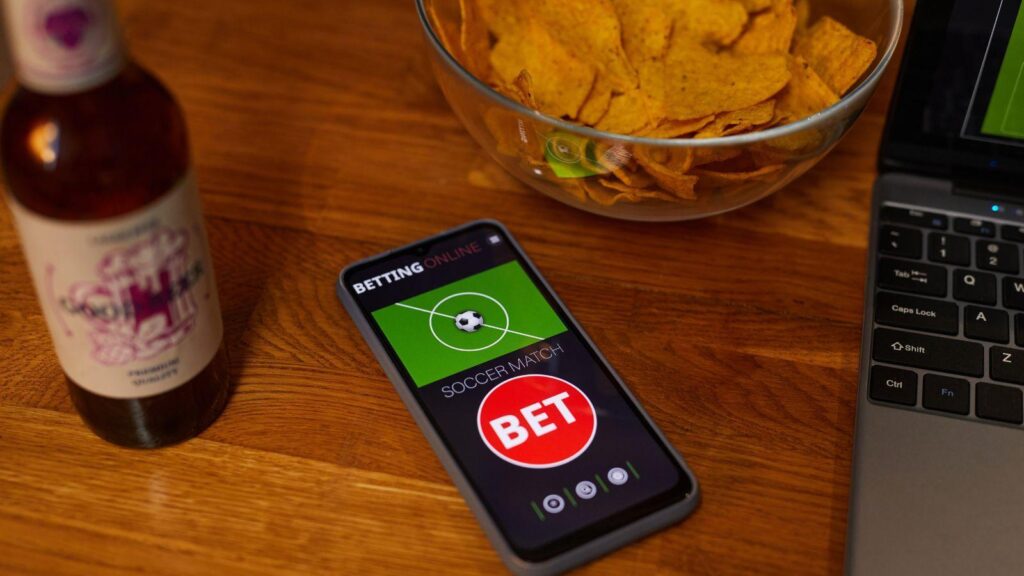
Sports betting platforms can never treat every match the exact same way. Think about how football can crawl through a scoreless stalemate for eighty minutes before a single stoppage time goal completely flips the board, contrasted with cricket where the rhythm constantly evolves through every over, falling wicket, and shifting run rate. Both sports drive massive live betting action, but they demand entirely different things from the tech running behind the scenes.
In football, most of the tension gathers around a few major events. A goal, red card, penalty or substitution can quickly alter the likely outcome and force markets to pause while new information is checked. The platform has to react quickly, but it also has to avoid moving before the event is confirmed.
That balance matters to users following several sports at once. On Betway’s Botswana betting platform, players may move from a football match into a cricket game within the same session, and the platform presents each sport in a way that makes sense without forcing the user to relearn the screen. The layout may look familiar, but the match information underneath it works differently.
Football Changes in Sudden Bursts
A football match can sit at a scoreless deadlock for the entire first half while one side slowly builds momentum through possession, corners, and relentless pressure. Since the scoreboard doesn’t always tell the whole story, live betting platforms have to dig deeper, feeding us the real context with live stats on shots, bookings, and recent attacking surges.
Then everything changes at once. A goal arrives, several markets close, prices are recalculated and the match page updates. If video review follows, the platform may need to wait before treating the goal as final. That short pause is not a weakness. It is part of keeping the market tied to what has actually happened.
Cricket Builds Through Smaller Events
Cricket creates a different kind of workload. A T20 match moves ball by ball, and almost every delivery changes the numbers slightly. Runs are added, required rates move, partnerships develop and wickets can alter the whole innings.
The platform cannot wait only for dramatic moments because the match is being shaped continuously. Live data has to arrive in a steady flow, with scorecards, overs and player figures kept clear on a small screen. A user may care about the next over, the total score or the performance of one batter, so the interface needs more layers than a typical football page.
Different Speeds Need Different Screens
The best sports betting design does not simply place every sport inside the same template. Football benefits from a clear clock, score and event timeline, while cricket needs room for overs, wickets, run rates and individual statistics.
The pressure on a platform also changes depending on the sport being bet on and played. Football tends to bring sudden bursts of activity, with users on Betway often checking the screen together after a goal, a red card or the halftime whistle. Cricket usually holds attention for longer, especially when a close chase develops gradually and every over begins to carry more weight.
The challenge is making both experiences feel simple. A platform should adapt to the sport rather than asking the sport to fit the platform. When that happens, users can follow the match itself instead of fighting the menu, whether the next important moment is a goal, a wicket or one final ball.