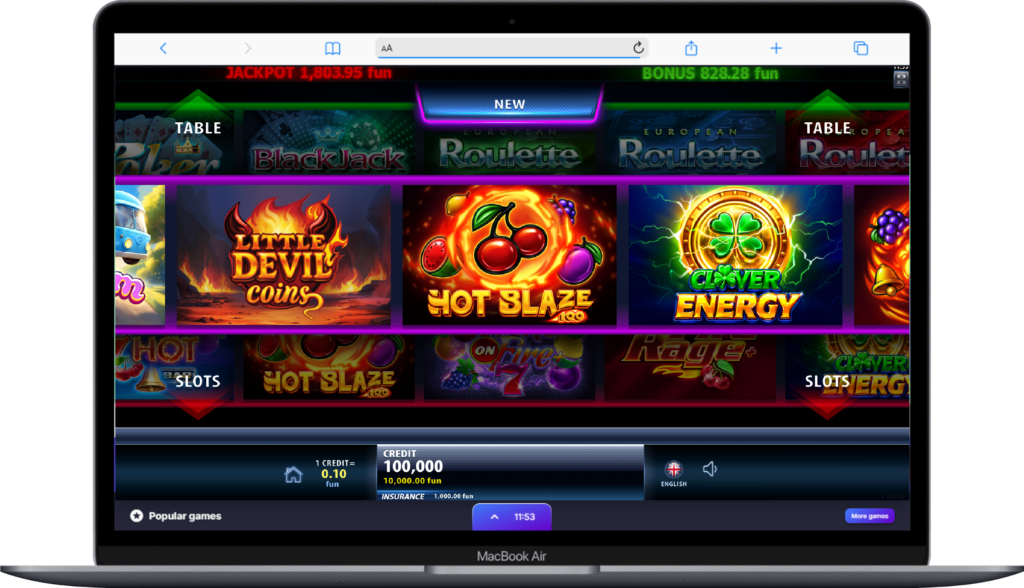
A casino lobby is the front desk, the menu, the map, and the sales floor all rolled into one screen. It decides whether a player finds a solid blackjack table in 20 seconds or spends ten minutes doom-scrolling through flashy slot tiles that all look the same after a while.
To see what these features look like when they’re done in a modern way, it helps to click through a real lobby and notice what’s available before the first spin. Players can read more and use that layout as a reference while learning what each lobby element is supposed to do.
The lobby is not decoration, it’s the control panel
Games get the spotlight, but the lobby is what shapes the session. A good lobby makes choices easier and reduces “wrong clicks,” like entering a high-limit live table by accident or picking a brutal high-volatility slot when the bankroll was meant to last the night.
A weak lobby does the opposite. It pushes random stuff, hides useful info, and leaves players guessing. Guessing is fine in poker. It’s not great when the goal is simply finding a game that fits.
Categories that actually help
Most lobbies start with broad categories, then either stop there or go deeper. The deeper ones are where the good UX lives.
Useful sub-categories to look for
A lobby becomes easier when it breaks things down into sections that match real browsing behavior, such as:
- New releases
- Popular or trending
- Table games (with sub-tabs like blackjack, roulette, baccarat)
- Live casino (with separate game shows vs classic tables)
- Jackpots (local vs network, if the platform shows it clearly)
- Buy Bonus or feature buy slots (if offered)
If everything is dumped under one giant “Slots” page, it’s basically an airport without signs. Sure, it’s all technically there. Enjoy finding it.
Search that works like a search bar, not a suggestion box
Search is the fastest route to the right game, but only when it’s built properly. Some lobbies treat search like a weak filter that only recognizes exact titles. That’s annoying, especially on mobile.
A genuinely useful search feature recognizes:
- partial game names
- common terms like “blackjack” or “roulette”
- provider names (so a player can browse a familiar studio’s style)
- sometimes even mechanics like “megaways” or “bonus buy,” if tagging is good
If the search bar can’t find a popular game title or returns a weird mix of unrelated results, that’s not a small flaw. It’s a sign the lobby was designed for browsing, not for finding.
Filters and sorting: the features players ignore, then wish they used
Filters are the difference between “finding a game” and “stumbling into one.” They cut noise and help match a game to the session.
Filters that matter for real-life play
Volatility and minimum bet are the big ones. They control how a session feels.
Other helpful filters include:
- Provider
- RTP (when shown)
- Features (autoplay, turbo mode, bonus buy)
- Jackpot eligibility
- Game type tags (cluster pays, megaways, etc.)
- Live tables by limit
Sorting is equally important. “Newest” and “A to Z” might sound basic, but they’re useful. “Popular” is fine too, with one warning: popular lists are often influenced by promos.
Game info cards: where a lobby earns trust
A thumbnail is marketing. A game info panel is usability.
When a lobby lets players open a game’s info before launching it, it reduces dumb surprises. And yes, surprises can be expensive in casino play.
What players should look for on the info panel
RTP (Return to Player)
RTP is long-term theoretical return, not a promise for tonight. Still, it’s a real signal. If a lobby shows RTP clearly, that’s usually a good sign the operator isn’t hiding the basics.
One detail worth knowing: some games have multiple RTP versions. If the lobby or game page doesn’t make that clear, it’s worth being cautious.
Volatility
Volatility is the “how wild is this?” label. Low volatility tends to pay smaller wins more often. High volatility tends to pay less frequently, with bigger spikes when it hits.
Players don’t need to worship volatility, but ignoring it is how a relaxed session turns into a fast bankroll drain.
Betting range
Minimum and maximum bets matter more than most people admit. A slot with a minimum stake above the planned level is not “just a little higher.” It changes the whole pace of loss and recovery.
“New” and “Hot” labels: helpful, sometimes, but not neutral
These tags feel informative, but they’re curated. “New” can mean newly added to the platform, not newly released in the market. “Hot” can mean genuinely popular, or simply heavily promoted.
A smart way to read these labels:
- Use them for discovery, not for decision-making.
- Always check volatility and bet range after clicking.
- If a “hot” slot is also tied to a tournament, assume it’s being pushed.
Nothing wrong with promoted games, but it’s better to know when the lobby is steering.
Live casino sections that separate rules and limits properly
Live casino is where lobby design really matters. With slots, a player can spin, feel it out, leave. Live tables have limits, rules, and sometimes queues. A messy live section creates constant table-hopping, which kills concentration and leads to bad choices.
Features that make live navigation smoother
Clear table grouping by limits
Beginner-friendly tables and high-limit tables should not sit in the same stream like it’s one big feed. A good lobby separates them, or at least lets players filter by minimum bet.
Rule visibility
Two blackjack tables can look identical and still use different rules (dealer hits soft 17, surrender options, number of decks). Roulette wheel type matters too (European vs American). A lobby that shows these basics upfront is doing players a favor.
Seat and speed indicators
If a table is full, the lobby should show it. If it’s a fast table, that should be clear too. Joining a rapid-fire live table when the goal was a calm session is an instant mismatch.
Favorites and “recently played”
This is the lobby feature that separates casual browsing from a controlled routine.
Favorites let players build a personal shortlist, which helps avoid endless scrolling next time. Recently played helps track what was tested and what was a waste of time.
When a lobby lacks these, it forces players into repeated rediscovery. That’s not charming. It’s friction.
Demo mode and low-stakes testing options
A good lobby supports exploration without forcing commitment.
Demo mode (or “play for fun”) is useful for learning mechanics and pacing. Low-stakes access is useful for getting a realistic feel without burning a budget.
Not every platform offers demo play for every title, but when it does, it’s one of the best user experience features available. It reduces impulse deposits and helps players make calmer decisions.
Jackpots and network jackpots: what the lobby should explain
Jackpots attract clicks. No surprise there. The problem is that jackpot sections are often vague.
A player-friendly lobby clarifies:
- whether a jackpot is local (only on that casino) or networked (across many casinos)
- which games contribute to it
- any eligibility rules (some jackpots require certain bet sizes)
- the current jackpot amount and how often it hits (when data is provided)
If a lobby just shouts “Jackpot” without explaining how it works, it’s doing the minimum, not the right thing.
Promotions and tournaments integrated into the lobby
Some lobbies blend promos into the browsing experience: tournament tiles, leaderboard games, drops campaigns, cashback banners. This can be fun, but it can also push players into games they wouldn’t normally choose.
A lobby improves UX when promo tiles include obvious context:
- which games are eligible
- when the promo ends
- any max bet rules (important for wagering conditions)
- whether participation requires opt-in
A promo that’s impossible to understand from the lobby is usually designed that way.
Responsible play tools placed where people can actually find them
If a lobby hides deposit limits, time-outs, and self-exclusion options, it’s not “clean design.” It’s avoidance.
Responsible tools improve user experience because they reduce stress. Players who can set a deposit limit in 30 seconds don’t need to negotiate with willpower later, mid-session, when judgment is weaker.
A good lobby or account menu makes these settings easy to reach, not buried.
The “must-know” lobby features in one glance
- Strong categories and sub-categories that match how people browse
- Search that finds titles, providers, and basic game terms
- Filters for volatility, RTP (if available), minimum bet, and features
- Game info panels with RTP, volatility, and bet range
- Live casino navigation by limits, rules, and table types
- Favorites and recently played lists
- Demo play or low-stakes access for testing
- Clear jackpot explanations and eligibility details
- Promo tiles that explain rules without hiding the fine print
- Responsible play tools that are visible and usable
A quick routine that uses the lobby properly
Players don’t need a spreadsheet. They need a repeatable flow that stops the lobby from turning into an endless scroll session.
- Pick the mood first: slots or live tables, not both at once.
- Apply one filter that matters today: volatility or minimum bet.
- Open 3 to 5 games and check the info panel.
- Test one game in demo or at minimum stake.
- Favorite anything that feels right, then move on.
That’s smart navigation in practice. Quick, controlled, and less likely to end with “how did that happen?”
Bottom line: the lobby is the difference between control and chaos
A casino lobby improves the user experience when it helps players make informed choices quickly, without turning everything into a promotional maze. The best lobbies are fast, honest, and organized. They respect the fact that players are not just hunting entertainment, they’re managing money, time, and attention.
Know the lobby features, use the filters, and don’t let the homepage carousel decide the session. That’s how the “perfect game” shows up more often, and the bad mismatches show up less.