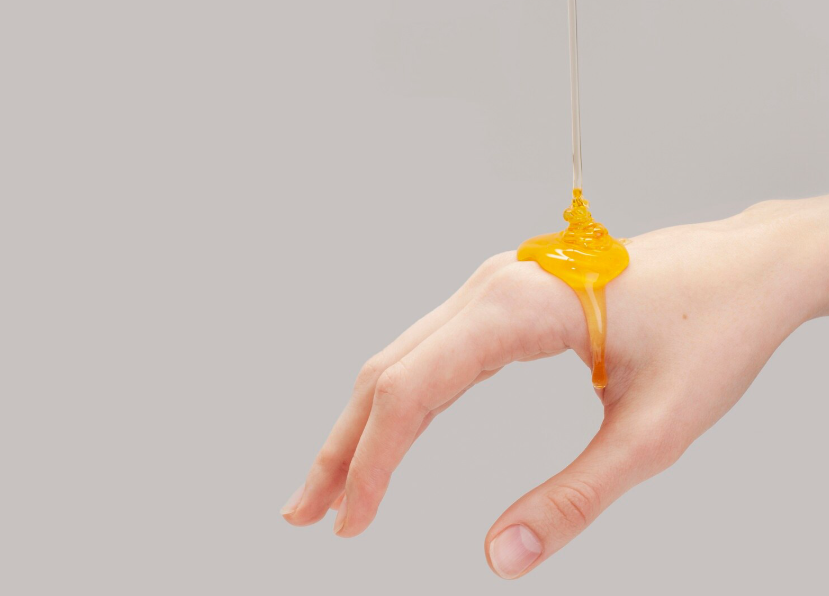
Sugaring may look like a very simple beauty treatment, but the material behaves in ways that depend on temperature, density, moisture, and handling. Professionals working with sugar wax from ItalWax use these properties to choose the right consistency for different techniques and treatment areas. Understanding a little material science makes it easier to see why one paste can feel very different from another.
Why Sugar Wax Changes With Temperature
Sugar wax/paste is mainly based on sugar and water. Its texture is not fixed because temperature changes how easily the material moves and stretches. When the paste becomes warmer, it usually gets softer and more fluid. A cooler product tends to feel firmer and hold its shape better. The warmth of the treatment room, the client’s skin, and even the esthetician’s hands can therefore affect handling.
This is one reason professionals do not judge a product only by how it feels when the container is first opened. They also consider how the paste behaves after several minutes of work. Temperature does not simply make the product “good” or “bad.” It changes its physical behavior, so the specialist needs a consistency that remains manageable under the conditions in the treatment room.
What Does Paste Density Actually Mean?
Professional sugar waxes are often divided into softer and firmer consistencies. Density describes how easily the material spreads, changes shape, and responds to pressure. A softer paste can move across the skin more easily, while a firmer one keeps its form longer. Neither is automatically better. The useful choice depends on technique, body area, room conditions, and the specialist’s working style.
Several factors can change how the same product feels during a procedure:
- room temperature and the warmth of the client’s skin;
- the amount of time the paste stays in contact with the hands;
- the size and temperature of the treatment area;
- the consistency selected at the beginning of the service;
- the speed and technique of the esthetician.
These factors often work together. A wax that feels comfortable to use in a cool room may become noticeably softer in a warm treatment space. That is why experienced specialists learn to watch the material itself. Texture gives useful information about whether the current consistency still suits the treatment.
Why Water Solubility Makes Sugar Wax Different
One important property of sugar-based products is water solubility. Unlike traditional resin wax, sugar wax can be softened and removed with water. This changes both cleanup and professional handling. Small residues on the skin, tools, or work surfaces are easier to remove without relying on oil-based cleansers.
Water also helps explain why moisture matters during the service. Excess moisture on the skin can influence how the paste behaves, so preparation remains an important part of professional sugaring.
Why Professionals Use More Than One Consistency
A salon may keep several sugar wax densities because one texture cannot suit every working condition equally well. A specialist can select a softer or firmer option depending on the service and technique.
ItalWax offers professional sugar wax in several consistencies, including softer and stronger options. This gives trained estheticians more flexibility when matching the product to body temperature, room conditions, treatment area, and their preferred method of application. The practical benefit is control. Instead of forcing one paste to behave the same way in every situation, the specialist can work with a consistency that better matches the conditions of the appointment.
Conclusion
The science behind sugaring is not complicated, but it explains many details that professionals notice every day. Temperature changes softness, density affects handling, moisture influences behavior, and water solubility separates sugar paste from many traditional wax products.
Understanding these properties makes product choice more practical. For estheticians, the goal is not to memorize technical terms, but to recognize how the material responds and select a consistency that remains comfortable to control throughout the service.