There was a time when buying used meant one thing: you could not afford new. That assumption has quietly fallen apart. Secondhand shopping has moved from a budget workaround to a genuine lifestyle choice, and the reasons behind it have very little to do with settling for less.
From clothing to furniture to car parts, more consumers are choosing preowned deliberately, not reluctantly. The motivations behind that shift say a lot about where consumer culture is heading in 2026.
A Market That Has Outgrown Its Old Reputation
The scale of this shift is hard to overstate. The global secondhand market has reached roughly $393 billion and continues expanding faster than traditional retail, driven by better technology, easier resale platforms, and a growing sense that buying used simply makes sense now. What was once a niche category has become a structurally significant part of how people shop.
That growth is not confined to any one demographic either. Recent consumer research found that one in five shoppers now buy secondhand or use resale platforms more frequently specifically because of current economic conditions, a trend fueled by tighter budgets, a hunger for better value, and a desire to do more research before spending money. Secondhand shopping, once seen as a compromise, is increasingly viewed as simply the smarter way to buy.
The Sustainability Factor Changed the Conversation
Cost used to dominate every conversation about buying used. Sustainability has since joined it as an equally powerful motivator. A meaningful share of consumers now actively search for used items before buying new, a behavior driven by economic pressure and environmental values in roughly equal measure.
That shift reflects a broader cultural change in how people think about consumption itself. Buying something used means one fewer new item manufactured, packaged, and shipped, and that math has started to matter to a lot of buyers who would not have thought twice about it a decade ago. For younger consumers especially, secondhand has become less of a fallback and more of a default first option.
This mindset extends well beyond clothing and furniture. It shows up in electronics, home goods, and increasingly, automotive parts, where the logic is identical. A functioning component with plenty of life left in it does not need to be replaced with something brand new just because that has traditionally been the norm.
Why This Logic Applies Just as Well to Cars
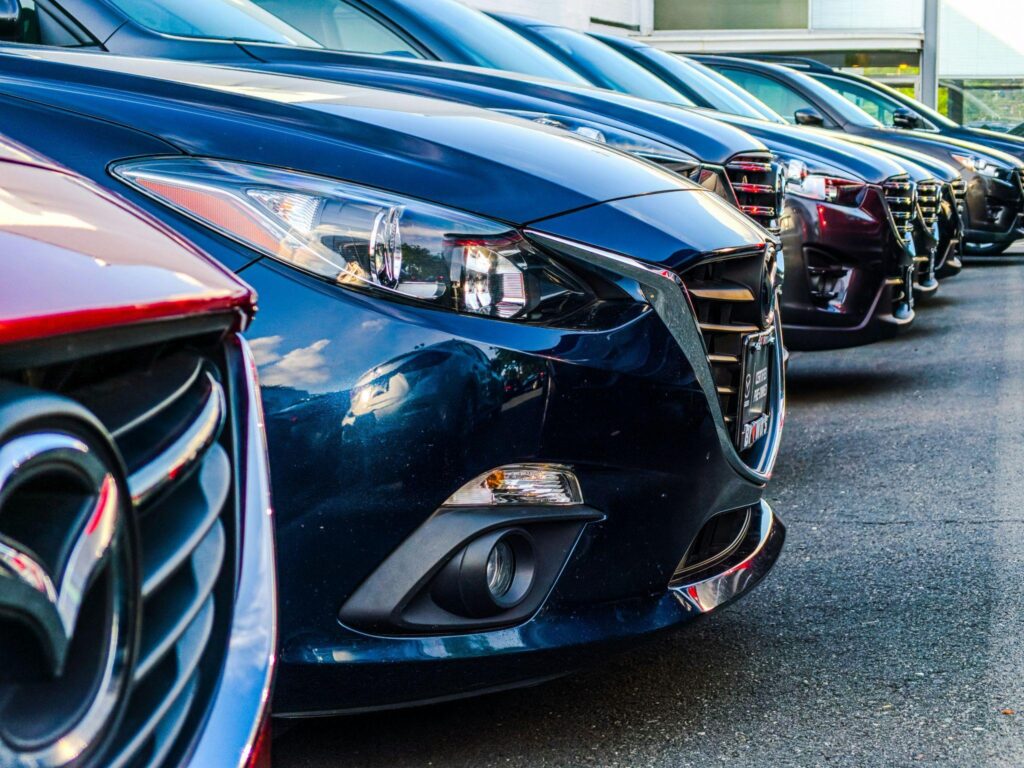
Nowhere is this shift more practical than with vehicles, where the price gap between new and used parts can be enormous. Replacing a major component like an engine with a brand new unit from a dealership can cost several times more than a properly inspected used alternative, without necessarily offering a meaningful difference in reliability.
That is exactly why quality used car engines have become such an appealing option for a growing number of drivers, particularly as digital marketplaces have made it easier to verify mileage, condition, and compatibility before making a purchase. What used to feel like a gamble, buying a used engine sight unseen from a scrapyard, has been replaced by a far more transparent process, with detailed listings and verified sourcing.
This mirrors exactly what has happened across other resale categories. Better discovery tools, more transparent listings, and stronger buyer protections have made secondhand purchasing feel less risky and more routine, regardless of the product category involved. Confidence, not desperation, is now what is driving a lot of these purchases.
Trust and Technology Made the Difference
None of this growth would have happened without a fundamental shift in how trustworthy secondhand purchasing feels. A decade ago, buying used often meant dealing with vague listings, unreliable sellers, and very little recourse if something went wrong. That reputation kept plenty of cautious buyers away.
Online platforms have largely solved that problem. Detailed condition reports, verified seller ratings, and transparent pricing have replaced the guesswork that once defined secondhand shopping, and that shift in trust has been just as important to the market’s growth as pricing itself. Secondhand should not feel like a secondary way to shop, it should feel easy, exciting, and completely normal.
That normalization is visible everywhere now, from resale apps built specifically for clothing to specialized platforms for auto parts. The common thread is the same: better information leads to better buying decisions, and buyers are responding by shopping secondhand with a level of confidence that simply did not exist a few years ago.
Policy and Pricing Pressures Are Reinforcing the Trend
External economic pressures have added another layer of momentum to this shift. As import costs and cross border trade friction continue tightening in certain categories, prices on many new goods have climbed, giving consumers even more reason to consider secondhand alternatives instead. What began as a values driven choice for some buyers is increasingly becoming an economically rational one for nearly everyone.
That combination, rising new prices paired with more trustworthy resale options, is a big part of why this trend shows staying power rather than fading as a passing moment. It is not dependent on any single factor holding steady. Even if costs ease in one area, the habits people have built around researching, comparing, and buying used are unlikely to disappear.
A Genuine Shift in How People Value Things
What makes this trend different from past secondhand fads is how deliberate it has become. People are not settling for used because they have no other choice. They are actively choosing it because it often represents better value, more transparency, and a smaller environmental footprint than buying new.
That shift in mindset, from used as a last resort to used as a legitimate first choice, is likely to keep shaping consumer behavior well beyond 2026. Whether it is a jacket, a piece of furniture, or a critical vehicle component, more buyers are asking the same question before reaching for something new. Is there a better option already out there, waiting to be reused. Increasingly, the answer is yes.