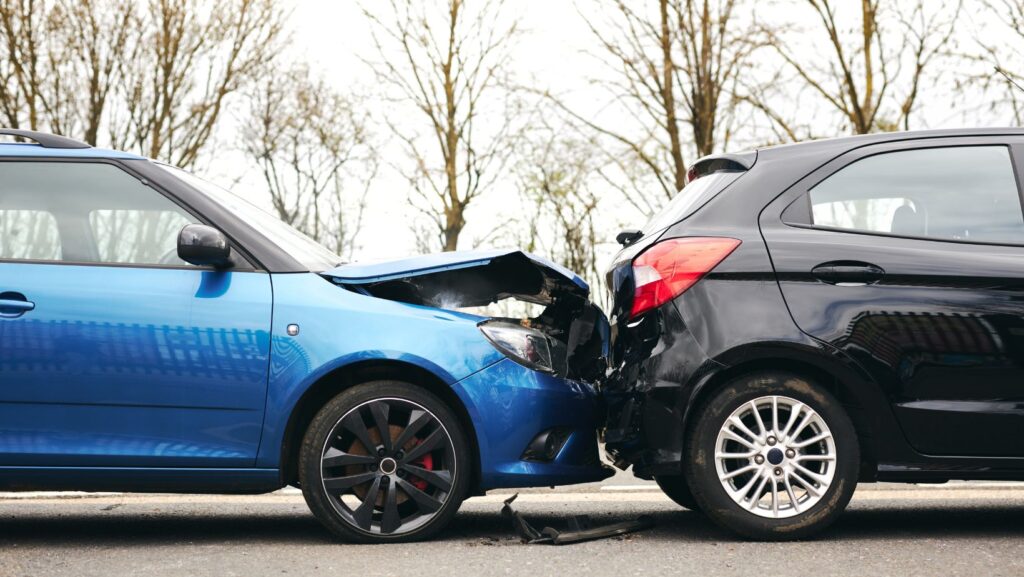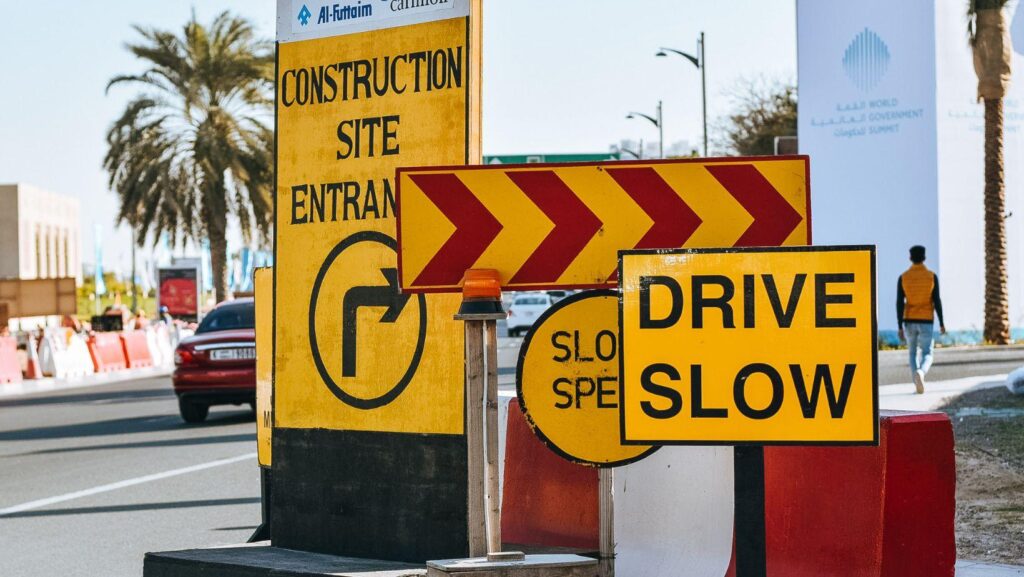
A crash at an intersection or work zone may involve more than the conduct of the drivers. Traffic signals, stop signs, lane markings, and temporary construction devices tell road users who has the right-of-way and where they are expected to travel. When one of those controls is missing, damaged, obscured, or malfunctioning, determining why a collision happened can become more complicated.
Illinois law still requires drivers to respond reasonably to the conditions they face, but the condition and visibility of traffic controls can affect the evidence. A claim may require separating driver error from problems with signal operation, sign placement, pavement markings, or temporary traffic control.
Drivers Must Obey Properly Placed Traffic Controls
Illinois Vehicle Code section 11-305 requires drivers to obey official traffic-control devices that apply to them unless a police officer directs otherwise. The same section recognizes that a traffic-control requirement dependent on an official device generally cannot be enforced when that device is not in proper position and sufficiently legible to be seen by an ordinarily observant person.
That makes visibility a factual issue after some crashes. A hidden stop sign or damaged signal may affect what a driver could reasonably detect. Photographs from the driver’s approach, nearby video, maintenance records, and witness statements can document the condition.
Malfunctioning Signals Can Create Conflicting Movements
Traffic signals assign movements through intersections, but a malfunction can leave drivers uncertain about right-of-way. Illinois Vehicle Code section 11-306 sets the meaning of green, yellow, red, and flashing indications and requires drivers to respond accordingly.
When a crash involves a signal that was dark, flashing unexpectedly, or displaying conflicting indications, investigators may need more than the drivers’ recollections. Maintenance logs, outage reports, traffic-camera footage, and witness statements can help establish how the signal was operating. The condition of the signal becomes one part of determining what each driver saw and how each reacted.
Stop and Yield Signs Can Shape Fault
A missing or obscured stop or yield sign can affect an intersection crash. Under 625 ILCS 5/11-904, drivers approaching a stop sign must stop at the required location and yield to vehicles already in the intersection or approaching closely enough to present an immediate hazard. Drivers approaching a yield sign must slow to a reasonable speed and stop when necessary for safety.
When a sign is present and visible, those rules provide a clear starting point. When it is damaged, missing, or difficult to see, investigators may focus on whether the driver had other information about the intersection and whether the sign problem contributed to the collision.
Traffic-Control Evidence Can Change the Investigation
A person working with a car accident lawyer in Skokie may need to preserve roadway evidence as carefully as vehicle evidence. Traffic-control conditions can change quickly because damaged signs are replaced, signal problems are repaired, and construction layouts are moved.
Useful evidence may include:
These materials can help establish whether the problem existed before the crash and whether it affected traffic movement.
Temporary Work-Zone Controls Add Questions
Construction and maintenance projects often change familiar traffic patterns. Drivers may encounter temporary lane shifts, reduced lane widths, detours, flaggers, portable signals, or temporary signs.
The Federal Highway Administration’s Manual on Uniform Traffic Control Devices states that traffic-control devices necessary for safe operation must be in place before a temporary route or roadway is opened to public travel. It also directs that devices be positioned for adequate visibility and maintained so they remain legible and functional.
After a work-zone crash, investigators may compare the actual setup with the traffic-control plan and project records. Photographs and contractor records can show whether temporary devices were present and functioning.
Faded or Missing Markings Can Affect Lane Position
Pavement markings tell drivers where lanes divide, where turns begin, and where vehicles must stop. When markings are faded, covered, removed during construction, or inconsistent with temporary traffic patterns, the intended path may be harder to identify.
The MUTCD contains national standards and guidance for pavement markings. A crash investigation may examine whether lane lines, arrows, stop lines, or temporary markings were visible from the driver’s approach and whether permanent markings conflicted with a temporary configuration.
Government Responsibility Has Special Limits
A traffic-control problem does not automatically make a municipality or other public entity liable. Illinois’ Local Governmental and Governmental Employees Tort Immunity Act creates important limits.
Section 3-104 provides immunity for injuries caused by a local public entity’s failure to initially provide traffic-control devices, stop or yield signs, roadway markings, overhead lights, or other specified warning devices. Section 3-102, however, generally requires a local public entity to use ordinary care to maintain its property in a reasonably safe condition for intended and permitted users, subject to notice and other statutory requirements.
The distinction between failing to install a device and issues involving maintenance of existing public property can therefore matter. The facts and statutory protections must be analyzed rather than assuming every traffic-control defect creates government liability.
Driver Conduct Still Remains Part of the Case
Even when a traffic-control problem exists, investigators still evaluate speed, distraction, lookout, braking, lane position, and other driving behavior. A driver may argue that a defective signal created confusion, while another party may contend that the driver failed to react safely.
Physical evidence, electronic data, video, and roadway records can test those competing explanations. The central question is not only whether a device was defective, but whether the problem actually contributed to the collision.
Traffic Control Problems Require a Broader Look
Signals, signs, markings, and temporary controls organize traffic and communicate right-of-way. When they are missing, obscured, malfunctioning, or poorly maintained, a crash claim may require investigation beyond the vehicles and drivers.
Preserving photographs, video, maintenance records, work-zone plans, and witness accounts can establish what road users encountered before impact. Comparing that evidence with Illinois traffic laws and the conduct of each driver can help determine whether the collision resulted from driver negligence, a traffic-control problem, or a combination of both.