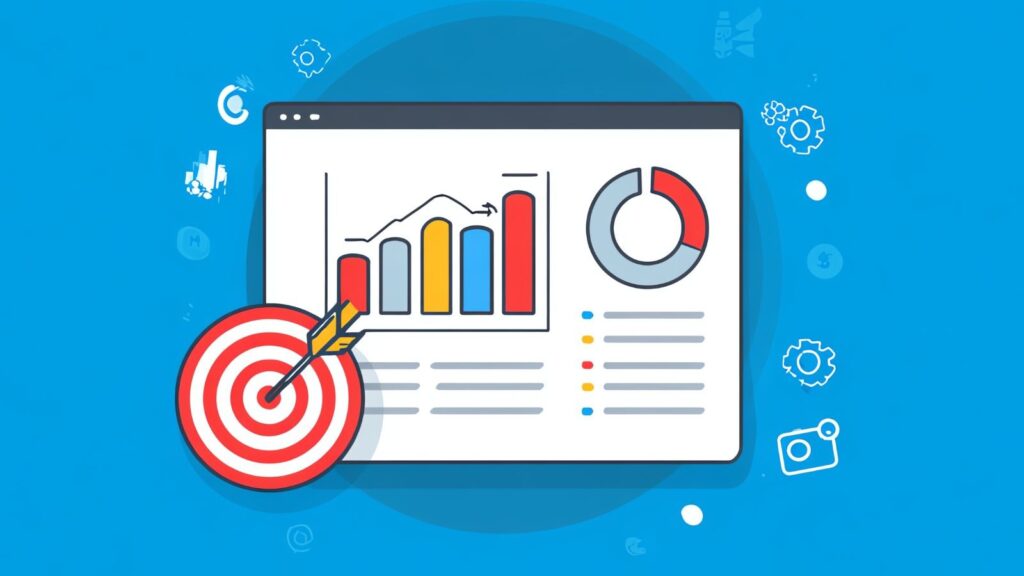
Customer expectations have changed significantly in recent years. People expect quick responses, personalized communication, and consistent experiences across every touchpoint. Businesses that fail to meet these expectations often struggle to retain customers and maintain steady growth.
Customer relationship management plays a central role in addressing these challenges. Modern companies rely on data to understand behavior, predict needs, and improve interactions. This shift has increased the demand for intelligent digital systems that organize and analyze customer information effectively.
CRM applications support this shift by helping teams manage communication, track interactions, and deliver relevant experiences. From sales to support, every department benefits from a unified view of the customer. When built with specific business needs in mind, these systems can improve efficiency and create long-term value.
Custom development allows companies to align technology with their processes instead of adapting workflows to generic tools. This approach leads to stronger relationships, improved retention, and measurable business outcomes.
Why Businesses Are Investing in CRM App Development
The demand for crm app development continues to grow across industries. Companies are moving away from one-size-fits-all tools and investing in systems that match their internal processes and customer expectations. This shift is closely connected to the rising importance of crm application development as businesses look for more precise and scalable solutions.
One major driver is the need for centralized information. Without a unified system, data often remains scattered across spreadsheets, emails, and disconnected platforms. A CRM application consolidates this data, making it easier for teams to access accurate and up-to-date information.
Automation is another key factor. Businesses use CRM systems to reduce manual tasks such as data entry, follow-ups, and reporting. This allows employees to focus on activities that directly impact revenue and customer satisfaction.
Here are some core areas where CRM applications deliver value:
- Lead management: Track prospects from initial contact to conversion
- Sales tracking: Monitor pipeline stages and forecast revenue
- Customer support: Manage tickets and resolve issues efficiently
- Marketing campaigns: Segment audiences and measure performance
Custom CRM systems also provide better alignment with business goals. Generic platforms often include unnecessary features or lack critical functionality. In contrast, custom CRM development services ensure that every feature serves a clear purpose.
Businesses that invest in personalized CRM solutions often see improvements in productivity, communication, and customer retention. These systems also adapt more easily to future growth, making them a practical long-term investment.
For further insights into CRM concepts, resources like Salesforce offer valuable industry knowledge.
Key Features and Benefits of CRM Application Development
A well-designed CRM system includes features that support daily operations while providing actionable insights. The success of crm application development depends on how effectively these features are implemented.
Core CRM Features
Below are essential CRM software features that contribute to strong performance:
- Contact management: Store and organize customer information in one place
- Analytics dashboards: Visualize performance metrics and trends
- Workflow automation: Reduce repetitive tasks through predefined actions
- Integration capabilities: Connect with other tools such as email platforms and ERP systems
- Mobile access: Enable teams to access data from anywhere
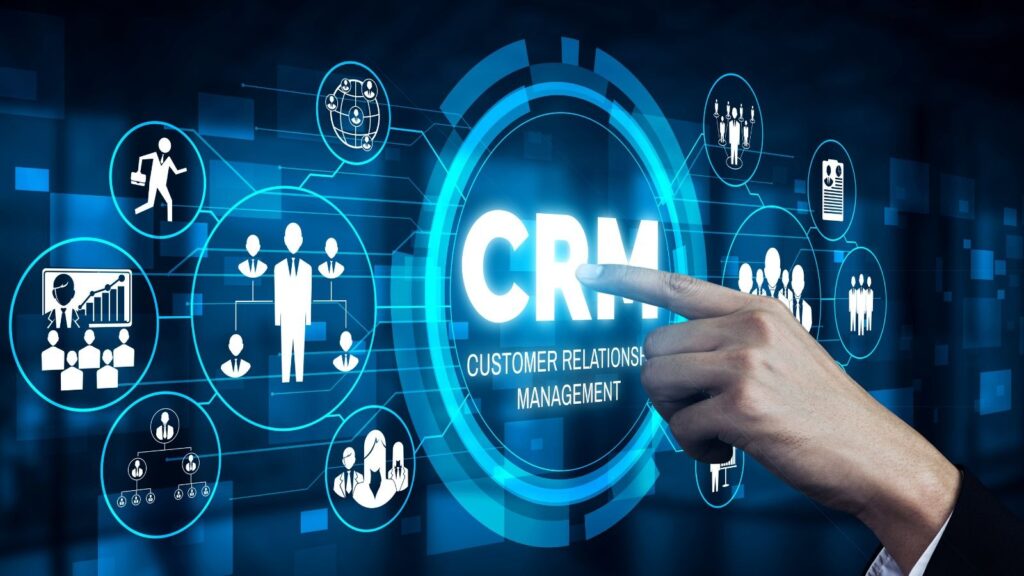
Benefits of CRM Systems
These features deliver several practical benefits:
- Improved communication across teams
- Faster response times for customer inquiries
- Better decision-making based on real-time data
- Increased efficiency through business automation tools
CRM Feature Comparison Table
| Feature | Standard CRM Tools | Custom CRM Systems |
| Flexibility | Limited | High |
| Integration Options | Predefined | Fully customizable |
| Scalability | Moderate | Strong |
| User Experience | Generic | Adapted to workflows |
| Cost Over Time | Subscription-based | Long-term value |
Another important aspect is customer data management. A structured system ensures that businesses maintain accurate records and comply with data regulations.
For technical standards and data practices, organizations like ISO provide widely recognized guidelines.
Custom CRM applications also support CRM integration solutions, allowing businesses to connect multiple systems into a unified environment. This improves efficiency and ensures consistent data flow across departments.
How to Choose the Right CRM App Development Company
Selecting the right crm app development company is a critical step. The quality of development directly affects system performance, usability, and long-term success.
Key Factors to Consider
1. Industry Experience. A company with relevant experience understands common challenges and requirements. This reduces development time and improves outcomes.
2. Technical Expertise. Evaluate the technologies used by the company. Modern CRM systems often rely on cloud-based CRM systems, APIs, and scalable architectures.
3. Portfolio and Case Studies. Review previous projects to assess quality and complexity. This provides insight into the company’s capabilities.
4. Client Feedback. Testimonials and reviews reveal how the company handles communication, deadlines, and support.
Development Approach
A reliable partner will focus on understanding your business processes before writing code. This ensures that the final product aligns with operational needs.
Post-launch support is equally important. CRM systems require updates, maintenance, and occasional improvements. Ongoing support ensures stability and long-term usability.
For businesses exploring development options, platforms like Clutch provide verified reviews of service providers.
Conclusion
CRM applications play a central role in modern business operations. They help companies organize data, improve communication, and respond to customer needs with greater accuracy.
Custom development offers clear advantages over standard tools. It allows businesses to align technology with their workflows, scale operations efficiently, and maintain better control over data.
From automation to analytics, CRM systems support every stage of the customer lifecycle. When implemented correctly, they contribute to stronger relationships and consistent growth.
Investing in a well-designed CRM solution is a practical step for any organization that wants to improve customer engagement and operational efficiency.