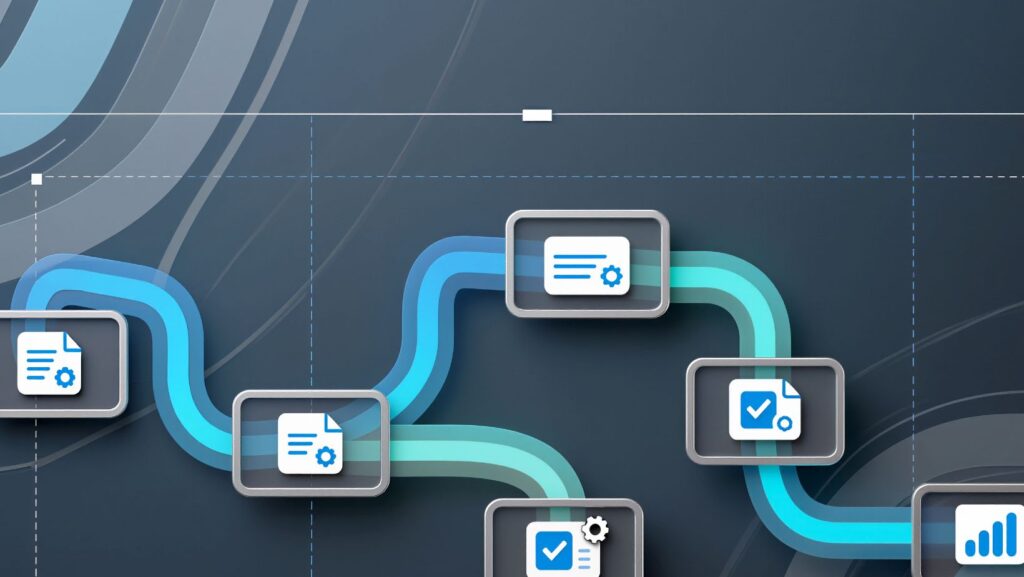
Human resources has undergone a quiet revolution over the past decade. What used to require filing cabinets, paper forms, and countless hours of manual data entry now happens with a few clicks. The transformation hasn’t been flashy or headline-grabbing, but it’s been profound—fundamentally changing how HR departments operate and allowing teams to focus on strategic initiatives rather than drowning in administrative tasks.
For small and mid-sized companies in particular, this shift has been nothing short of transformative. Organizations that once needed multiple full-time HR staff to handle basic administration can now manage with leaner teams who spend their time on higher-value activities like talent development, culture building, and strategic workforce planning. The efficiency gains are real, measurable, and increasingly essential for staying competitive.
The Old Way: Death by a Thousand Paper Cuts
To appreciate how far we’ve come, it’s worth remembering what HR administration looked like not that long ago. New hire onboarding meant printing packets of forms—I-9s, W-4s, direct deposit authorizations, benefits enrollment forms, employee handbooks requiring signatures—and then manually entering all that information into multiple systems. A single new employee might generate 30 or 40 pages of paperwork, all of which needed to be filed, with copies going to various departments.
Performance reviews meant distributing physical or emailed forms, chasing down managers who missed deadlines, manually compiling feedback, and then scheduling face-to-face meetings to deliver reviews. PTO requests went through email chains or paper forms that needed manager approval before being manually entered into a tracking system. Benefits enrollment happened during a frantic open enrollment period where HR staff fielded hundreds of questions while manually processing election forms.
The inefficiency wasn’t just annoying—it was expensive. Studies have consistently shown that HR departments spent 60-70% of their time on administrative tasks rather than strategic work. For a typical HR generalist making $60,000 annually, that meant roughly $40,000 of their salary was going toward pushing paper rather than solving real human capital challenges.
The Platform Revolution
Enter the digital platform era. Over the past decade, specialized software platforms have emerged to handle virtually every aspect of HR administration. These aren’t the clunky, enterprise-level systems that required six-month implementations and dedicated IT support. The new generation of HR platforms are cloud-based, user-friendly, and designed to be up and running in days or weeks rather than months.
The core innovation is integration. Rather than having separate systems for payroll, time tracking, benefits, performance management, and recruiting—each requiring separate data entry and creating opportunities for errors—modern platforms consolidate these functions. Enter an employee’s information once during onboarding, and it flows automatically to every system that needs it.
For HR professionals skeptical about technology or worried about learning curves, most platforms now offer intuitive interfaces that feel more like consumer apps than enterprise software. If you’ve ordered something on a modern e-commerce site, you can navigate most HR platforms. Many even offer mobile apps, allowing employees to handle HR tasks from their phones during their commute rather than tying up HR staff time. If you’re curious about exploring what’s available, it’s worth taking time to click here on various platform demos to see how dramatically the user experience has improved compared to older systems.
Employee Benefits Administration: A Case Study in Efficiency
Perhaps nowhere is the efficiency gain more dramatic than in benefits administration. This has historically been one of the most time-consuming and error-prone areas of HR work, involving complex eligibility rules, multiple carrier systems, tight enrollment deadlines, and significant financial consequences if mistakes are made.
Traditional benefits administration went something like this: Employees received paper enrollment packets or PDFs with dense plan descriptions. They’d fill out forms indicating their elections—often making mistakes or leaving sections blank. HR would manually enter these elections into carrier websites, which might take 10-15 minutes per employee. Multiply that across 100 or 200 employees during a compressed enrollment period, and you’re looking at weeks of intensive work.
Then came the post-enrollment cleanup: employees who forgot to enroll and needed to be added, people who moved from individual to family coverage because they got married, new hires needing to be set up outside the enrollment period, terminations requiring COBRA administration. Each of these actions meant logging into multiple carrier portals, completing forms, tracking deadlines, and managing follow-up communications.
Modern benefits administration platforms have automated most of this away. Employees log into a single portal where they can compare plans side-by-side with decision support tools that estimate their annual costs under different scenarios. They make their elections digitally, and the information flows automatically to carrier systems through established data feeds. The entire enrollment process for an individual employee that used to take 15-20 minutes of HR time now takes essentially zero HR time—it’s completely self-service.
The platforms also handle the ongoing administration that used to consume so much time. Qualifying life events trigger automated notifications that it’s time to adjust coverage. New hires are automatically prompted to complete benefits enrollment as part of their onboarding workflow. Terminations automatically initiate COBRA processes. What used to require an HR specialist dedicating weeks to benefits administration can now be managed as one component of a generalist’s broader responsibilities.
The error reduction is equally significant. Manual data entry inevitably produces mistakes—transposed numbers, incorrect dependent dates of birth, missed elections. These errors can have serious consequences, from employees lacking coverage they thought they had to incorrect payroll deductions creating tax complications. Automated systems eliminate the transcription errors while building in validation rules that catch problems before they become costly mistakes.
Recruiting and Applicant Tracking
Recruiting is another area where platforms have delivered massive efficiency gains. Old-school recruiting meant posting jobs on multiple boards individually, receiving applications via email, printing out resumes, maintaining spreadsheets to track candidates through the pipeline, and coordinating interview schedules through endless email chains.
Modern applicant tracking systems centralize all of this. Post a job once and it automatically distributes to multiple job boards. Applications flow into a central system where they can be reviewed, rated, and moved through hiring stages with a few clicks. Interview scheduling tools integrate with calendars and automatically find times that work for all participants, sending calendar invites without HR needing to play intermediary.
The time savings are substantial, but perhaps more importantly, these platforms reduce the risk of candidates falling through the cracks. When you’re managing 50 open requisitions through email and spreadsheets, people get lost. Automated workflows ensure every candidate receives timely communication and moves through the process systematically.
Performance Management and Feedback
Annual performance reviews have long been dreaded by employees, managers, and HR alike. The process was administratively burdensome and often felt like a meaningless box-checking exercise. Digital platforms have enabled a shift toward continuous feedback models that are both more efficient and more effective.
Rather than distributing review forms once a year, platforms enable ongoing feedback through quick check-ins, goal tracking, and real-time recognition. When it is time for formal reviews, the system already contains months of documented feedback and progress updates. Managers aren’t starting from scratch trying to remember what happened in Q1.
The efficiency comes from automation and structure. Review cycles are automatically triggered based on hire dates or fiscal calendars. Reminders go out to managers approaching deadlines. Forms are pre-populated with goal information and prior feedback. The system guides managers through the process and enforces completion, eliminating the HR time traditionally spent chasing down late reviews.
Time and Attendance Tracking
For companies with hourly workers, time tracking used to mean time clocks, paper timesheets, or manual spreadsheets—all requiring significant HR or payroll time to compile, verify, and process. Modern platforms offer digital time tracking that integrates directly with payroll systems.
Employees clock in and out via mobile apps, web interfaces, or physical terminals with biometric verification. The data flows automatically to payroll, eliminating manual entry. Managers can approve timesheets digitally with a single click. Overtime is automatically calculated based on federal and state rules. PTO requests are submitted and approved digitally, with balances automatically updated.
The efficiency gain here isn’t just about HR time—it’s also about accuracy and compliance. Proper time tracking ensures correct payment, which reduces costly corrections and potential wage and hour violations. Automated compliance with complex overtime rules protects companies from expensive lawsuits.
Document Management and E-Signatures
The shift from physical to digital documents has been one of the most straightforward but impactful changes. Rather than maintaining filing cabinets full of personnel files, documents are stored in cloud-based systems with controlled access. Need an employee’s signed confidentiality agreement from three years ago? A few seconds of searching versus minutes of filing cabinet excavation.
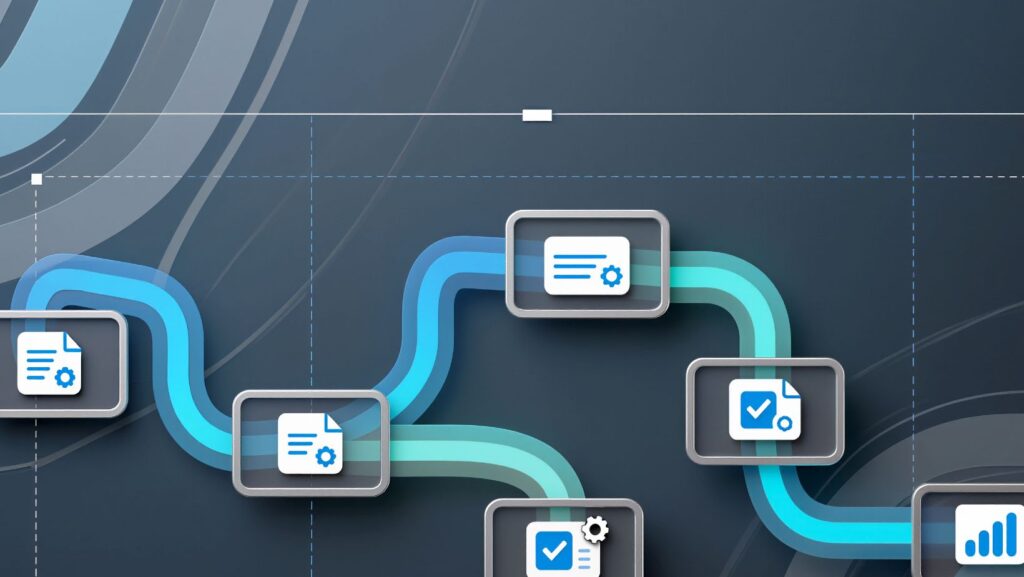
E-signature capabilities have been particularly transformative. Documents that previously required printing, physical signatures, scanning, and filing can now be signed digitally from anywhere. This has been especially valuable for remote hiring, where sending paper documents back and forth could add days to the onboarding timeline. Now, a candidate can sign their offer letter and onboarding documents from their phone within minutes of receiving them.
Analytics and Reporting
Perhaps the most underappreciated benefit of digital platforms is the data and analytics they provide. When HR information lived in filing cabinets and disconnected systems, generating even basic reports required substantial manual work. Want to know your average time-to-fill for open positions? Someone needed to manually compile hiring dates from multiple sources. Curious about turnover rates by department? That required pulling data from various systems and calculating it by hand.
Modern platforms provide real-time dashboards and reports with a few clicks. HR leaders can track key metrics like time-to-fill, cost-per-hire, turnover rates, benefits participation, training completion, and countless other data points. This enables data-driven decision making that simply wasn’t possible when the data was locked away in paper files or required days of manual compilation to access.
The strategic implications are significant. When HR isn’t drowning in administrative tasks, they have time to analyze this data and derive insights. Which benefits are employees actually using? Where are we seeing unexpected turnover? Which recruiting sources produce the best hires? These insights enable HR to shift from reactive administrative support to proactive strategic partner.
The Implementation Reality
None of this happens automatically, of course. Implementing new platforms requires upfront investment—not just in software costs, but in time spent on setup, configuration, data migration, and training. There’s an implementation curve where things might actually be less efficient temporarily as people learn new systems and work out the kinks.
But for most organizations, the ROI is clear and quick. Many HR departments report payback periods of less than a year, after which the efficiency gains are pure benefit. And the gap between platform capabilities and manual processes continues to widen. Companies still operating primarily on paper and spreadsheets aren’t just less efficient—they’re increasingly at a competitive disadvantage in attracting talent who expect modern, digital experiences.
Looking Forward
The platform revolution in HR is far from over. Artificial intelligence and machine learning are beginning to automate even more sophisticated tasks—like matching candidates to positions, identifying employees at high risk of turnover, or personalizing benefits recommendations based on individual circumstances and preferences.
The fundamental shift, though, has already occurred. HR has moved from a primarily administrative function drowning in paperwork to a strategic function empowered by technology to focus on what really matters: helping organizations attract, develop, and retain great people. The platforms that made this possible aren’t flashy or exciting, but they’ve quietly transformed how HR departments operate—and there’s no going back.