Medical technology anwire making impact from hospitals to homes shapes care now. It improves outcomes, lowers cost, and expands access. Health systems adopt sensors, AI, and remote tools. Patients receive monitoring and treatment outside clinics. This article explains key trends and barriers. It shows how innovations change hospital workflows and daily life for patients.
Key Takeaways
- Medical technology anwire making impact from hospitals to homes drives improved patient outcomes, cost savings, and expanded healthcare access through advanced tools like sensors and AI.
- Hospitals benefit from innovations in diagnostics, imaging, and robotic surgery that speed diagnosis, enhance precision, and streamline workflows for better care delivery.
- Wearables and remote monitoring enable continuous patient tracking and timely intervention outside of clinics, reducing hospital admissions and increasing convenience.
- AI and big data integration transform healthcare by prioritizing high-risk patients, supporting clinical decisions, and enhancing interoperability across systems.
- Regulatory and privacy protections ensure patient safety but can slow adoption; overcoming barriers requires clear reimbursement, staff training, and collaboration among stakeholders.
Why Medical Technology Matters Now: Outcomes, Cost, And Access
Medical technology anwire making impact from hospitals to home drives measurable gains in outcomes. Hospitals report faster diagnoses and fewer complications with new tools. Health systems lower cost by reducing length of stay and avoiding readmissions. Communities gain access when mobile clinics and remote monitoring reach rural areas. Payers see value from preventive monitoring that reduces emergency visits. Clinicians use data to prioritize high-risk patients. Patients get more timely care and clearer care plans. Policymakers track cost and equity to guide funding and reimbursement.
Transforming Hospital Care: Diagnostics, Imaging, And Robotic Surgery
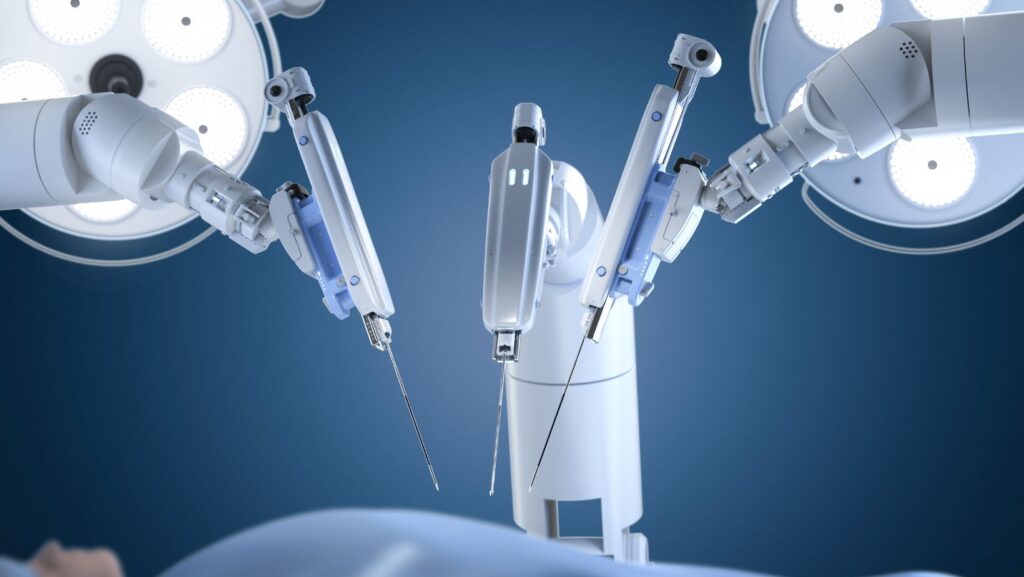
Hospitals adopt devices and software that speed diagnosis and guide treatment. The shift cuts wasted time and directs staff to urgent tasks. Imaging systems deliver higher-resolution scans with lower radiation. Integration with workflows reduces reporting delays. Surgical teams use robotic platforms to enhance control and limit tissue damage. Robots assist with complex cases and routine steps, which standardizes care and shortens recovery. Operating rooms gain connected systems that track instruments, schedules, and outcomes to improve efficiency and safety.
Advanced Diagnostics And Imaging: Faster, More Accurate Results
Medical technology anwire making impact from hospitals to home includes advanced diagnostics and imaging. Labs run high-throughput assays that return results in hours instead of days. Point-of-care tests work at the bedside and in clinics. AI models highlight suspicious findings on scans to speed radiologist review. These tools reduce diagnostic errors and enable earlier intervention. Clinicians combine lab, imaging, and clinical notes to form clearer diagnoses. Patients receive treatment sooner and face fewer follow-up procedures.
Robotic Surgery And Automation: Precision, Efficiency, And Workflow Gains
Medical technology anwire making impact from hospitals to home appears in surgical suites through robots and automation. Robots provide steady, precise motion that reduces human tremor. Automation handles routine steps like suturing assistance and tool exchange. Teams report shorter procedure times and lower infection rates in selected cases. Automation also streamlines pre-op checks and instrument tracking. Staff spend less time on repetitive tasks and more time on decision-making. Hospitals record better throughput and clearer case documentation.
Wearables, Remote Monitoring, And The Rise Of Home Health
Medical technology anwire making impact from hospitals to home shows clearly with wearables and remote monitoring. Patients wear devices that track heart rate, oxygen, and activity continuously. Clinicians receive alerts when metrics cross risk thresholds. Home health providers use video visits and sensor data to adjust care plans without office visits. Remote monitoring reduces hospital admissions for chronic conditions like heart failure and COPD. Care teams scale follow-up with automated reminders and dashboards that show trends. Patients gain convenience and earlier detection of problems.
AI, Big Data, And Interoperability: Turning Data Into Decisions
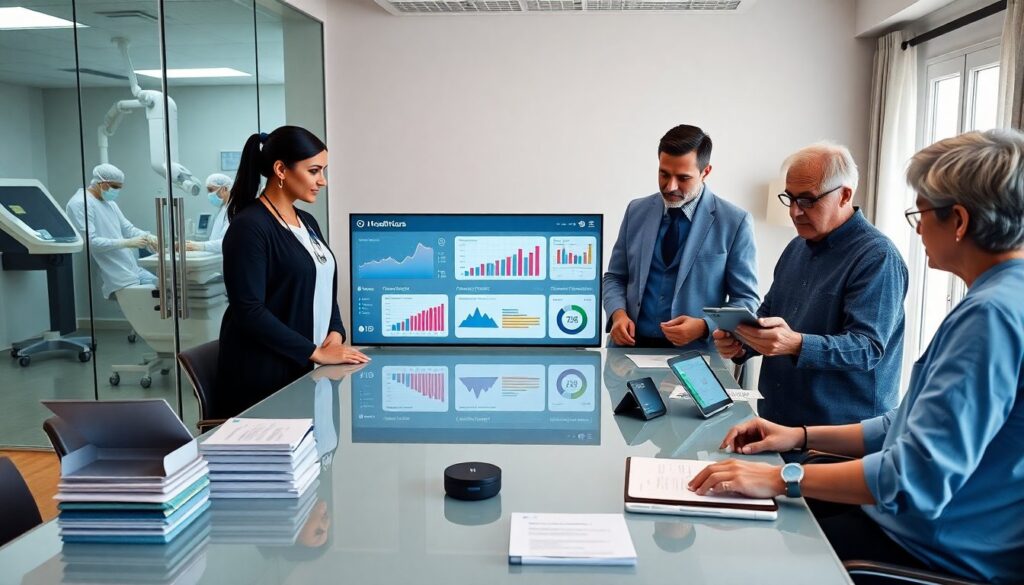
Medical technology anwire making impact from hospitals to home relies on AI and data integration. Systems aggregate lab, imaging, and device streams to produce actionable alerts. AI models rank patients by risk and suggest orders based on guidelines. Interoperability standards allow records to move between vendors and sites. Clinicians get contextually relevant data at the point of care. Data teams monitor model performance and retrain when needed. Hospitals use analytics to reduce variation and to measure quality improvement efforts.
Regulation, Privacy, And Adoption Barriers: What Slows (And Protects) Progress
Medical technology anwire making impact from hospitals to home faces regulatory and privacy checks that protect patients. Regulators review safety and effectiveness before devices reach clinics. Privacy laws restrict data sharing without consent. These safeguards slow deployment but reduce harm and maintain trust. Adoption barriers include integration cost, staff training, and legacy systems that resist change. Smaller providers cite limited budgets and IT support. Successful rollout requires clear reimbursement paths, vendor cooperation, and clinician engagement to balance innovation with safety.