The myth of innovation
We keep hearing the same story: technology is progress, the great adventure of modern life. It’s supposed to make us free, faster, smarter. But let’s be honest — most of the time, it doesn’t. It makes us dependent. It fills our days with screens, notifications, and updates we never asked for. Behind every “innovation,” there’s usually a company that found a new way to make money from our time, our habits, or our emotions.
We’ve entered an age where even rest feels like work. Where scrolling replaces thinking. Where “connectivity” hides a deep loneliness. Technology was meant to simplify life — yet it often complicates it, pulling us into a rhythm we didn’t choose. The left has always warned about this: that freedom without equality isn’t real freedom at all.
Machines that shape us
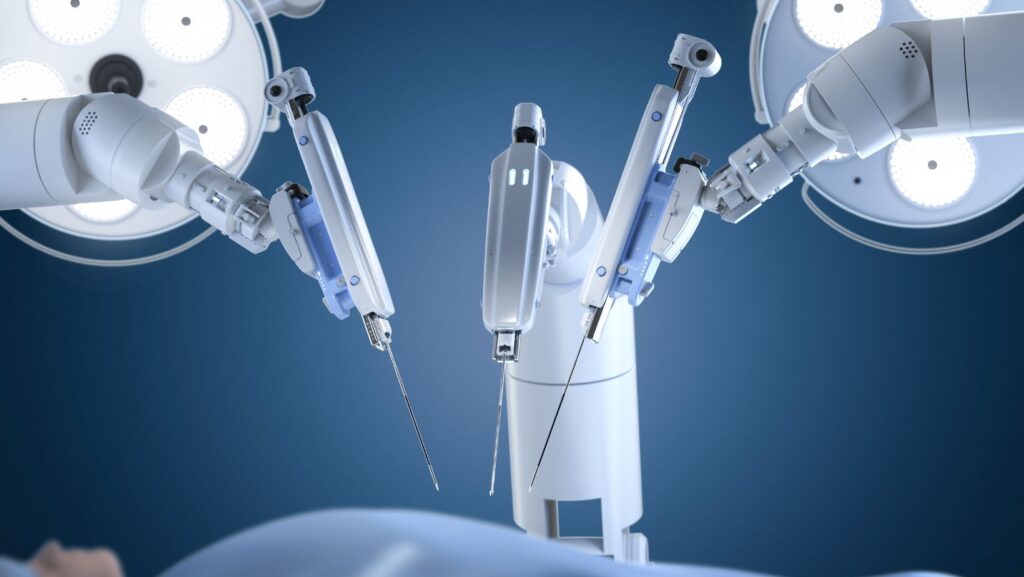
In theory, we control our devices. In practice, they control us. Algorithms decide what we see, what we buy, even what we believe. A handful of corporations, hidden behind friendly apps, influence our opinions more effectively than any government ever could.
What’s worse is that it feels voluntary. We open the apps, click “I agree,” share our data — because it’s easy, and everyone does it. But with every click, we build the cage a little higher. We’ve turned convenience into obedience. Marx said that under capitalism, people become extensions of the machine. Today, the machine has become an extension of the market.
The invisible economy of data
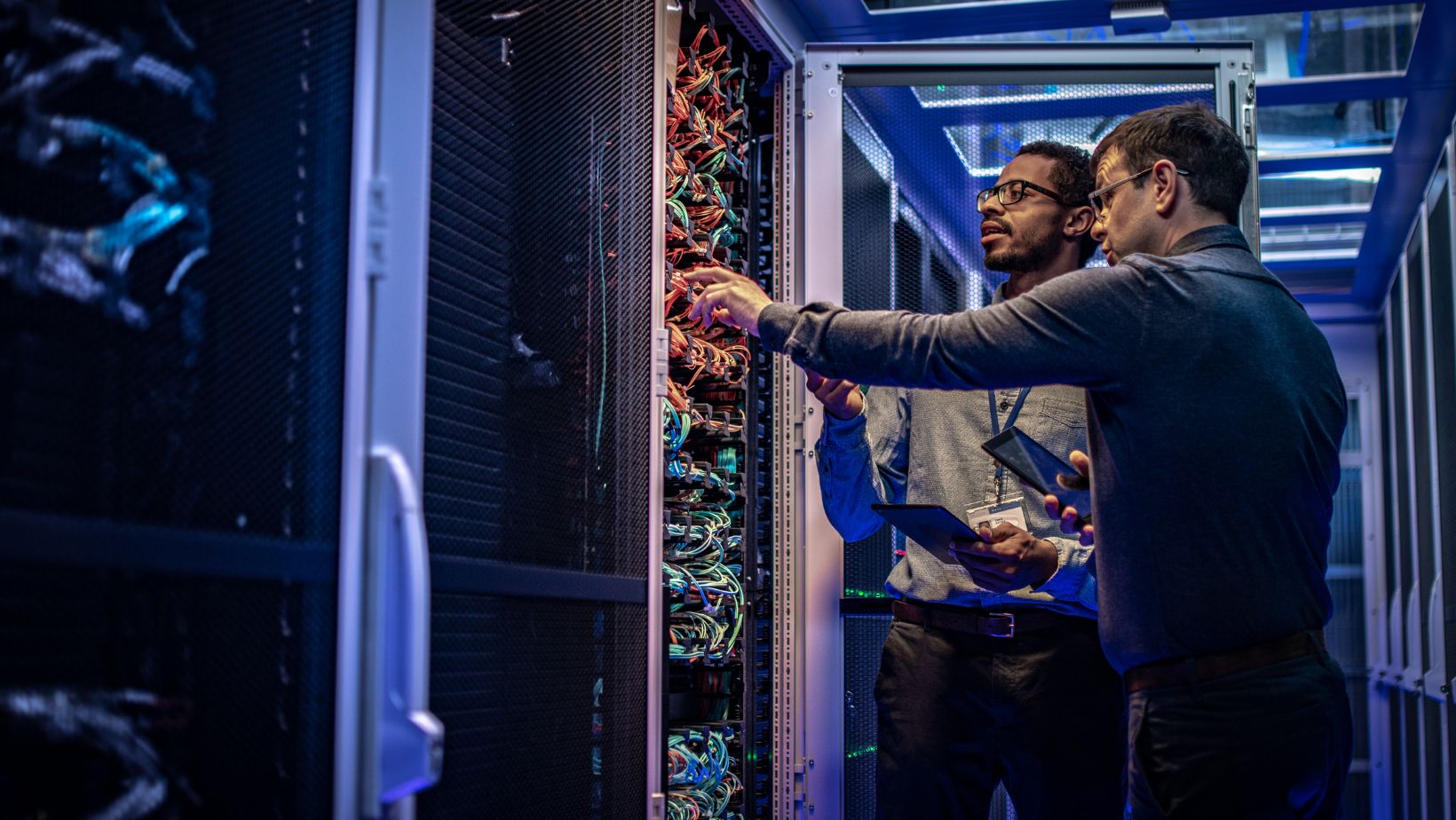
The new wealth isn’t gold or oil anymore — it’s information. Everything we do online becomes data, and that data is bought, sold, analyzed, and used to predict what we’ll want next. Our attention has become a commodity.
Think about how every part of life can be monetized now — even our passions. Sports, for example, used to be a space of community and emotion. Now, digital platforms like an online sportsbook turn that energy into numbers and profit. What used to be a collective thrill — cheering, sharing, feeling — becomes a game of odds. Joy turns into data; connection turns into calculation. That’s the real face of the digital economy: emotion converted into income.
The human way forward
To unmake this order — or at least to resist its total colonization of thought — requires not a rejection of technology, but a reclamation of it. A new epistemology must emerge, one that refuses to equate progress with profitability. The left, historically dismissed as romantic or utopian, is in fact the only tradition that still insists that knowledge must serve life, not the market. Collective control, transparency, equality — these are not slogans but conditions for rediscovering what science once promised: liberation through understanding.
Imagine, for a moment, a technological commons. Servers powered by cooperation, not speculation. Algorithms open to public scrutiny, stripped of their secrecy and bias. Laboratories accountable to the societies they inhabit, not to shareholders demanding quarterly miracles. Tools that amplify solidarity instead of surveillance, that nurture ecosystems instead of exhausting them. This is not nostalgia for a pre-digital age — it is an act of reorientation, a demand that our inventions mirror our humanity rather than our greed.
We do not need more devices; we need more depth. Not faster circuits, but slower systems that breathe with the rhythms of the planet. Machines should listen before they act, assist before they command, heal before they harvest. The task ahead is neither purely technical nor purely moral — it is civilizational.
Real progress will never be measured in patents or profits, but in the degree to which our tools allow us to think, create, and care together. To wrest technology from the logic of capital is to reclaim our own agency. If we cease allowing the market to dictate what kind of world is possible, then — and only then — might technology cease to dominate and begin, finally, to accompany us.