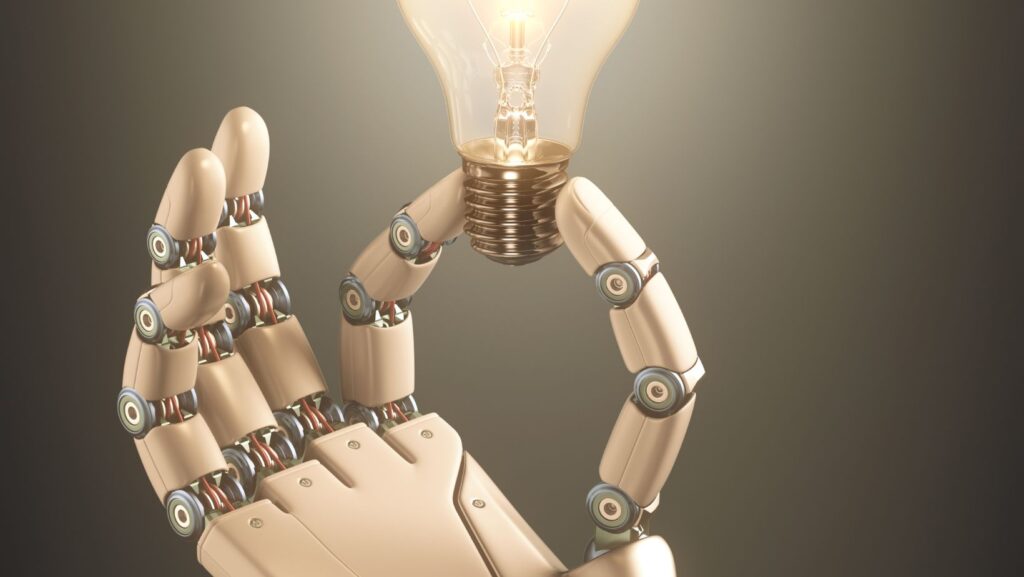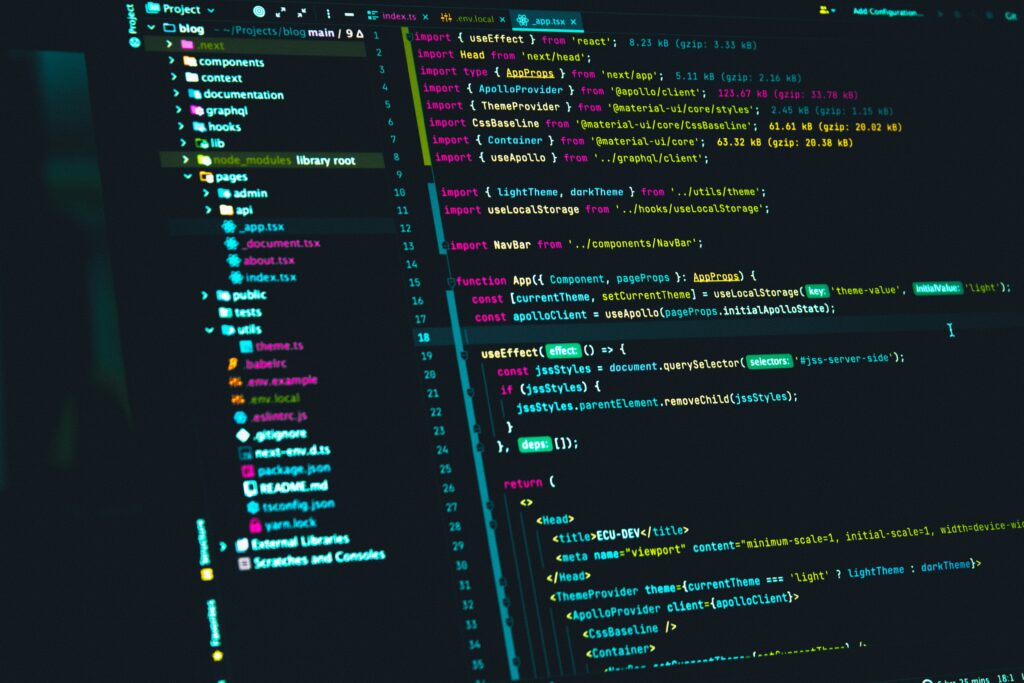
Modern life feels fast and connected. A ride appears with one tap. Music follows every mood. Messages cross continents in seconds. All of this feels natural, almost effortless. Yet behind this comfort lives a restless engine made of ideas and constant change. That engine is software development.
Software development does not only involve creating applications or correcting bugs. It is concerned with making imaginative structures. It is a place where a combination of creativity and discipline, and where minor decisions made quietly, determine the way millions of people live and think.
Software development is controlled chaos
Software development thrives on chaos that is carefully controlled. Every project begins with uncertainty. Goals can be ambiguous, requirements can change, and problems can come out of the blue. Rather than escaping this mess, developers are taught to operate within the mess.
Each feature is a bet. Will it work as expected? Will users like it? Will it break something else? These questions create tension and excitement. Progress often feels like walking through fog, where clarity appears only after several wrong turns.
This constant uncertainty keeps software development alive. It rewards curiosity and patience more than rigid planning. Those who enjoy exploration often find deep satisfaction in this environment.
Code is a form of compressed thought
Code is not just a technical tool. It is compressed thinking. A few lines can represent hours of analysis and experimentation. Every choice reflects how a problem was understood and simplified.
Good code feels calm. It is simple to read, simple to modify, and simple to believe. Bad code feels heavy. It slows everything down and creates fear around even small changes. This difference makes software development emotional in ways outsiders rarely notice.
It becomes clear why many large projects depend on a reliable software development company to transform complex ideas into clear, maintainable systems that can survive growth and change.
The illusion of simplicity
The best software feels simple. Buttons are where they should be. Actions make sense. Results appear instantly. This simplicity is an illusion created by deep effort.
Behind a clean interface lives a dense network of rules and safeguards. Software must expect mistakes and unpredictable users. It must remain stable under pressure and flexible under change.
Production of such an illusion is one of the most thrilling tasks of software development. It needs compassion and interminable experimentation. When done well, users never notice the struggle behind the scenes. They simply enjoy the result.
Speed vs stability: a constant duel
Software development lives in tension between speed and stability. Move too fast, and systems break. Move too slow, and relevance fades. This duel shapes every decision.
Releases feel like controlled risks. Teams push updates knowing that real users will test the system in ways no lab ever could. Feedback arrives instantly, sometimes harsh, sometimes surprising.
This fast loop of action and response creates adrenaline. Software development becomes less like construction and more like navigation, adjusting direction in real time while moving forward.
Creativity born from limits
True creativity in software development often comes from limits. Limited time, limited memory, or limited budget forces sharp thinking. Instead of adding more, developers learn to remove what is unnecessary.
This process creates elegant solutions. A faster algorithm, a cleaner structure, or a smarter shortcut can change everything. These small victories bring excitement that feels earned, not accidental.
Constraints also teach discipline. They remind the teams that not all the ideas should be in the end product. The decision not to create something is as significant as the decision to create something.
Collaboration without borders
Software development is one of the most global forms of collaboration. Teams may span countries and time zones. Code becomes the shared ground where ideas meet.
Clear communication matters deeply. A small misunderstanding can cause large delays. Well-written code and clear documentation act as bridges between minds.
This global teamwork adds energy and unpredictability. Different viewpoints challenge habits and improve results. When collaboration clicks, progress feels smooth and powerful.
Software quietly shapes human behavior
Software does not just respond to behavior. It shapes it. Notifications pull attention. Design choices guide habits. Small delays influence patience.
These effects happen quietly. Users rarely notice how software guides decisions, yet the impact is real. This makes software development a position of influence.
Thoughtful design can reduce stress and create trust. Poor design can frustrate and exhaust. Understanding this responsibility adds depth and meaning to the craft.
The future is built in small steps
Software development rarely changes the world in one moment. Change happens through small updates and steady refinement. Over time, these steps reshape industries and daily routines.
This slow power is what makes software development exciting. Every improvement matters. Every decision echoes into the future.
New tools and new needs ensure that the field never stands still. Learning remains constant, and curiosity stays rewarded.
Conclusion: more than code, less than magic
Software development sits between logic and imagination. It does not happen to be magic, but it can feel like magic. It is not traditional art, but it is creative, and creative power moves it.
Behind every smooth digital experience lives tension and care. Software development is a living process shaped by human thought and ambition.
This knowledge makes one realize why it is one of the most thrilling powers of the contemporary world. Software development is silent and ever-changing; it keeps rescripting how the future will feel, one idea at a time, and you can never see them.