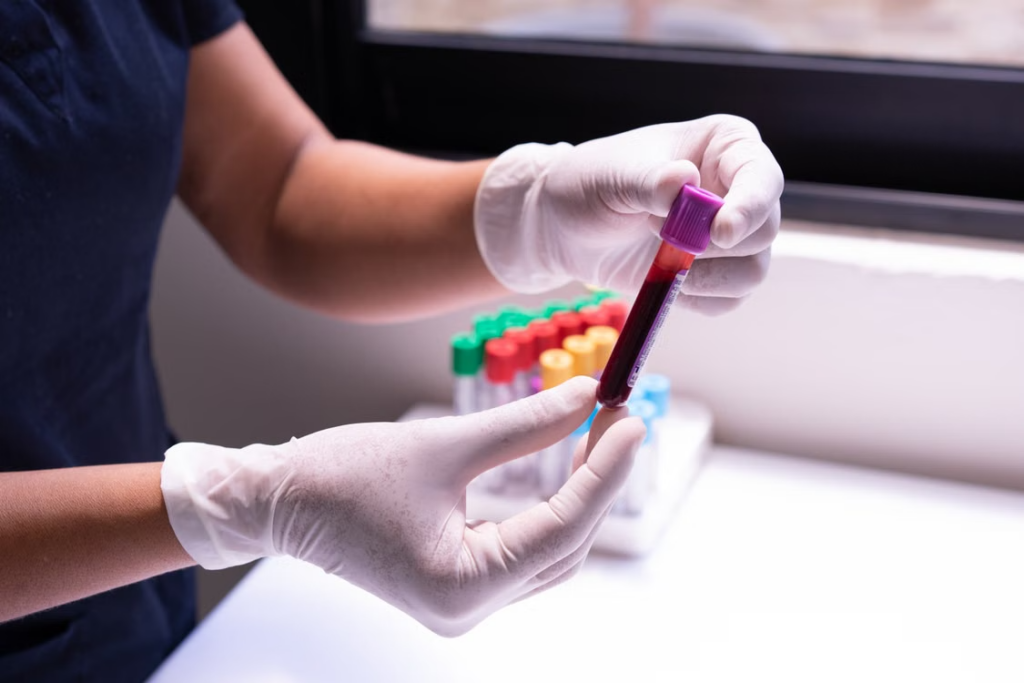
Every workout triggers dozens of biochemical processes in the body. Many of these processes are only detectable in blood. This is why high-quality human blood for research remains a key tool in exercise and recovery physiology.
Preci, a supplier of validated human biospecimens for preclinical research, provides such samples. As exercise science and personalized medicine continue to evolve, demand for well-characterized blood samples in physiology research is also growing.
What Blood Reveals About the Body’s Response to Exercise
Hormones, enzymes, and metabolites enter the bloodstream during physical activity. Their levels change very fast. Blood provides a convenient snapshot of the body’s physiological state. It is not just a reflection of muscle fatigue but also of the workings of the immune and endocrine systems. This becomes particularly significant when studying intense or protracted exercise.
During these periods, the body is subjected to many different kinds of stress simultaneously. Blood enables researchers to monitor multiple physiological processes simultaneously. Additionally, researchers can take blood from a donor multiple times with minimal risk to the donor.
Thus, this approach is convenient for long-term research programs. Blood is often preferred over other types of biomaterials that require more invasive procedures.
What Indicators Are Studied in Exercise Research
Scientists studying exercise physiology rarely limit themselves to a single parameter. They typically look at a whole range of indicators. Each reflects its own part of the overall picture. This comprehensive approach helps avoid drawing erroneous conclusions based on a single, isolated number.
Commonly measured biomarkers include:
- cortisol and other stress hormone levels;
- creatine kinase and other muscle damage markers;
- inflammatory cytokines;
- oxidative stress indicators;
- blood lactate;
- electrolyte concentrations;
- recovery-associated biomarkers.
Together, these indicators provide a complete picture of an athlete’s condition. They help researchers understand how the body responds to stress and how long recovery takes. A single indicator rarely provides useful information alone.
How a Post-Exercise Recovery Study Works
A recovery study typically requires multiple blood draws. One sample is taken before exercise. Another is collected immediately after exercise. Researchers collect several additional samples at specific intervals. This approach allows researchers to monitor changes over time rather than relying on a single snapshot.
It is the dynamics that interest researchers most. It shows how quickly the body returns to its baseline state and whether there are signs of chronic fatigue.
What to Look for When Selecting Blood Samples
The quality of the sample directly affects the accuracy of the results. Therefore, before beginning the study, it is important to select the blood source carefully. Researchers typically check several key parameters:
- donor’s physical activity before collection;
- time of day the collection was performed;
- type of anticoagulant in the tube;
- storage and transportation conditions;
- completeness of the accompanying clinical data;
- possibility of repeat collection from the same donor.
These details may seem minor, but they determine the reliability of the test results. An error at this stage can ruin all subsequent work. That’s why experienced researchers record these parameters before the experiment begins.
How Sample Suppliers Help Solve These Problems
It can be difficult to find blood with the right characteristics on your own, especially if you need a specific type of donor. Preci solves this problem by providing samples with available clinical information and detailed metadata. This includes information about the donor’s health status and the conditions under which the blood was collected.
This method saves the laboratory time. It does not have to devote resources to finding and screening donors itself. Instead, the team can begin analyzing and interpreting the results immediately.
Blood remains one of the most informative data sources in exercise and recovery studies. It reveals the response of several body systems simultaneously.
Proper sample selection and a well-designed blood collection plan determine the accuracy of the entire study. The more carefully the laboratory approaches these details, the more reliable the conclusions. Ultimately, it is this thoroughness that distinguishes a reproducible study from a random collection of numbers.