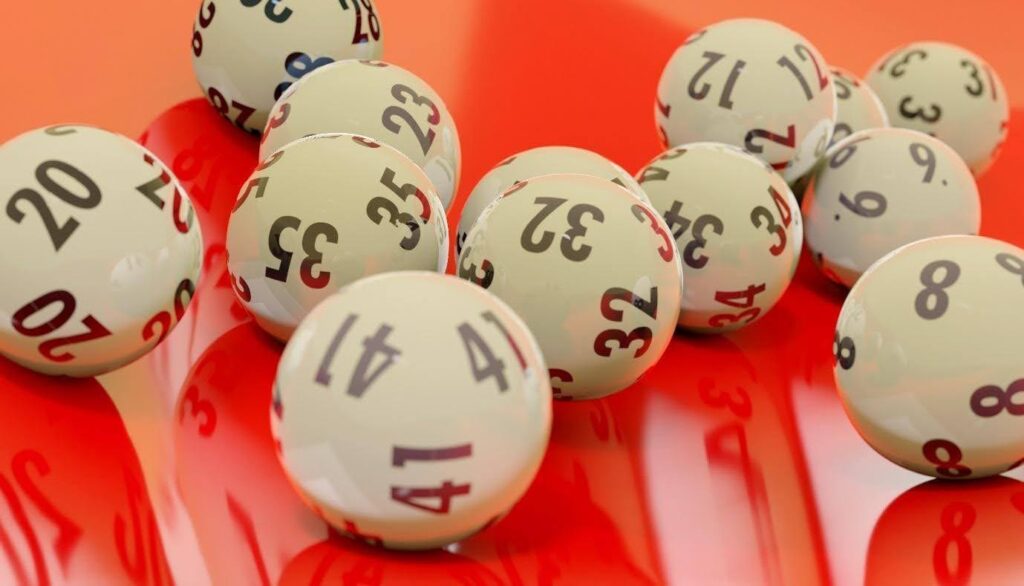
The National Lottery has become one of the most recognisable and widely played forms of entertainment and games of chance in the United Kingdom since it began in 1994. While most people know about the lottery for its extremely rare jackpots and weekly draws, there is a much wider system behind it that connects millions of players, generates large-scale funding for public benefit and good causes, and has had a very long-lasting impact on communities across the country. Understanding how it works and what it supports helps explain why it has remained so popular for decades.
How The National Lottery Began and What It Is Today
The National Lottery was launched in 1994 as a state-franchised lottery for the UK. Since its creation, it has grown into a major national institution, offering a range of games including Lotto, EuroMillions, Set For Life, and also even scratchcards. The lottery is regulated by the Gambling Commission and operated by a licensed operator, with ticket sales available both online and in retail locations across the country, while modern digital platforms have also increased interest in formats such as lotto online participation. Players who want to pay to enter a draw must be over the age of 18.
One of the key features of the lottery is its scale, since it began, it has made over 8000 people millionaires. It is vital to remember that the vast majority of people who play the lottery for entertainment will never win, and jackpots have extremely low odds for any individual draw. The lottery should never be played to try and make money.
The lottery operates with strict rules and structured financial distribution, meaning every ticket purchased contributes to both prize funds and wider social impact.
How Lottery Money Is Distributed
When a player buys a National Lottery ticket, the money is split into several areas, obviously some of it goes directly into the prize fund, which is used to pay winners across the different games, this is the portion that creates jackpots and regular prizes.
But, one of the most important aspects of the National Lottery system is the money put aside to support good causes across the country. This money is distributed to projects across the UK that benefit communities, including areas such as sport, arts, heritage, health, science, education, and the environment. Since its launch, the lottery has raised tens of billions of pounds for these types of projects, funding hundreds of thousands of initiatives.
The National Lottery has a very open and transparent layout and they regularly share how the money is distributed and what it has been used for.
In the financial year ending 31st March 2025, the National Lottery shared that the funds raised were shared out among those areas as follows:
- Health, education, environment and charitable causes – 40%
- Sport – 20%
- Arts – 20%
- Heritage – 20%
This breakdown shows that while the lottery is a form of entertainment for people paying to enter a draw, it is also closely tied to public funding and regulated financial distribution.
The Scale of Good Causes Funding
Since the start of the UK’s National Lottery they have made contributions towards good causes and supported projects in many different areas. Around £33million is raised each week through ticket sales, which has added up to a whopping £53 billion since its beginning in 1994.
Sport is one major area of investment, the National Lottery is a champion at supporting athletes and facilities at both grassroots and elite levels, this gives many people the chance to engage with sport, who otherwise may not have the chance. Arts funding has helped theatres, galleries, and creative organisations across the country to keep going and to thrive. Heritage projects have preserved historical sites and cultural landmarks, while community funding has supported local initiatives such as youth groups, charities, and volunteer organisations, up and down the country.
This system means that even players who do not win prizes are still contributing indirectly to public benefit projects every time they purchase a ticket.
Odds
The odds of winning are extremely low, for example, matching all numbers in Lotto is approximately a 1 in 45 million chance. Interestingly enough, you are actually more likely to be struck by lightning! Despite this, millions of tickets are sold each week, making it one of the most widely played games in the country.
The Impact on Society and Culture
Many facilities, including sports centres, theatres, museums, and community spaces, have been developed or improved through lottery funding, giving people better access to cultural and recreational opportunities across the country.
The National Lottery Heritage Fund plays a key role in restoring historic buildings, preserving archives, and supporting archaeological projects. This is vital to our heritage as a country and the importance of this cannot be overlooked because it helps current and future generations to have the chance to learn about our country’s past. Preserving history is important because it helps people understand their identity, learn from past events, and maintain traditions that shape society in the future and also today.
Conclusion
The National Lottery is more than just a form of entertainment, since its launch in 1994, it has developed into a large-scale national system that combines entertainment with public funding. Most people do not know a great deal about the actual day-to-day impact of how the National Lottery changes lives through its good causes funds, every week.