Science lab safety rules guide how people act in labs. They protect people, property, and experiments. This article lists clear rules and steps. It explains equipment use, chemical handling, and emergency actions. It aims to give practical, usable guidance for classroom and research settings.
Key Takeaways
- Follow science lab safety rules before entry by wearing required PPE, removing loose items, reading protocols and SDSs, and knowing exits and emergency stations.
- Wear properly fitting goggles, lab coats, closed-toe shoes, and chemical-resistant gloves, replace damaged PPE immediately, and store reusable items cleanly.
- Handle chemicals and biologicals only after reading labels and MSDS, use fume hoods for volatile vapors, never mix unknowns, and store hazardous materials in approved containment.
- Set up clutter-free work areas, monitor reactions closely (add acids to water), use mechanical pipetting, and stop work if you detect leaks, smells, or unusual signs.
- Practice emergency procedures, know eyewash and fire extinguisher locations, document incidents, segregate and log waste correctly, and enforce training and reporting to prevent common infractions.
General Lab Conduct And Preparation
People must follow science lab safety rules before they enter a lab. They must wear assigned PPE and remove loose clothing or jewelry that could catch on equipment. They must read protocols and safety data sheets before they begin work. They must keep personal items outside the work area. They must tie back long hair and secure bag straps. They must label all samples and reagents clearly. They must plan experiments and list steps, hazards, and controls. They must know where exits, eyewash stations, and fire extinguishers sit. They must avoid food and drink in the lab at all times. They must report any unsafe condition to the supervisor immediately.
Required Personal Protective Equipment (PPE) And Proper Use
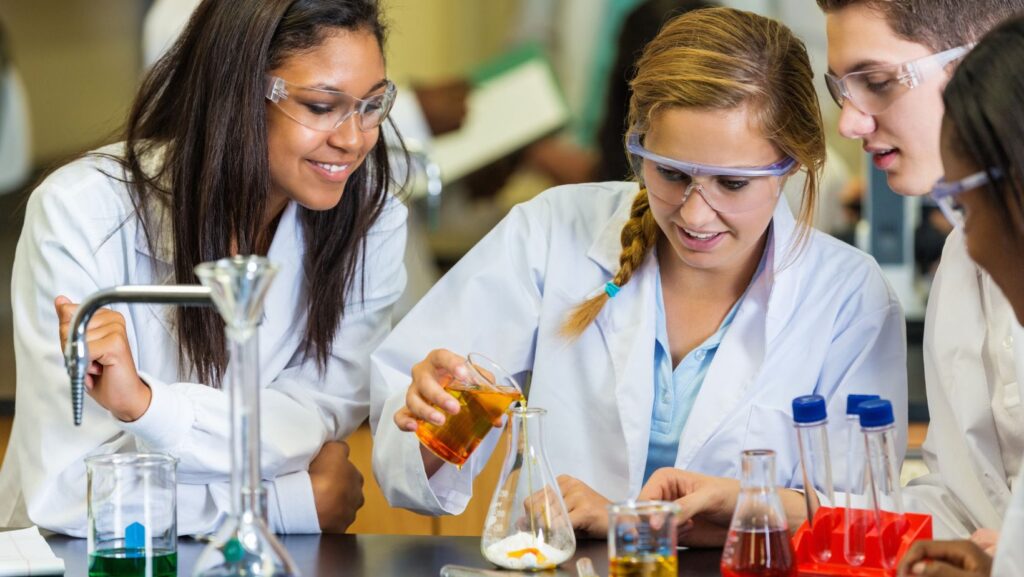
The lab enforces science lab safety rules for PPE. They must wear safety goggles that seal around the eyes for chemical work. They must wear lab coats made of non-flammable material. They must wear closed-toe shoes that cover the entire foot. They must use chemical-resistant gloves when they handle corrosives or solvents. They must replace torn or contaminated PPE immediately. They must remove gloves before touching shared objects like phones or doorknobs. They must store PPE in clean areas and wash reusable items according to instructions. They must ensure eyewear fits and that face shields sit correctly when they handle splashes or flying debris.
Handling Chemicals, Biologicals, And Hazardous Materials
Staff must follow science lab safety rules for hazardous materials. They must read labels and material safety data sheets before they open containers. They must never mix unknown chemicals. They must use fume hoods for volatile or harmful vapors. They must place sharps in approved containers immediately after use. They must store corrosives and flammables in approved cabinets with secondary containment. They must use spill kits that match the chemical class and train on their use. They must sterilize or decontaminate biological waste according to protocol. They must document transfers and quantities for regulated materials. They must not work alone with high-risk agents without permission.
Equipment, Electrical And Heat Safety
Technicians must follow science lab safety rules for equipment use. They must inspect electrical cords and plugs before they connect devices. They must not run cords across walkways or under mats. They must use ground-fault circuit interrupters where water may contact power. They must allow hot plates and ovens to cool on labeled surfaces. They must use tongs or thermal gloves to move hot items. They must secure gas cylinders to racks and close valves when they finish. They must maintain equipment per manufacturer guidelines and log repairs. They must unplug damaged equipment and tag it out of service.
Procedures During Experiments
Researchers must follow science lab safety rules during experiments. They must set up work areas to minimize clutter. They must add acids to water, not water to acids, to prevent splatter. They must pipet by mechanical devices, not by mouth. They must label reaction vessels with contents and time. They must monitor reactions and record observations promptly. They must keep flammable materials away from ignition sources. They must check ventilation and adjust fume hoods as needed. They must stop work if they detect unusual smells, sounds, or leaks and call the supervisor.
Emergency Response And First Aid Procedures
Staff must follow established science lab safety rules for emergencies. They must call emergency services for severe injuries immediately. They must use eyewash stations for chemical eye exposure and flush for at least 15 minutes. They must rinse skin exposed to chemicals and remove contaminated clothing. They must know how to use fire extinguishers and when to evacuate. They must keep emergency contact lists near phones. They must document incidents and report them to the safety officer. They must seek medical evaluation for any exposure that affects breathing, vision, or consciousness. They must practice emergency drills regularly.
Cleanup, Waste Disposal, And Post‑Lab Responsibilities
Laboratory staff must follow science lab safety rules for cleanup. They must neutralize acids and bases if protocols require and follow disposal rules. They must segregate waste by chemical class and follow local regulations. They must place biological waste in labeled, sealed containers for autoclave or licensed removal. They must decontaminate surfaces with appropriate agents after experiments. They must return reagents to their storage locations and close containers tightly. They must record waste amounts in the log. They must clean glassware and store it to dry. They must leave the bench ready for the next user.
Special Considerations For Classroom Versus Research Labs
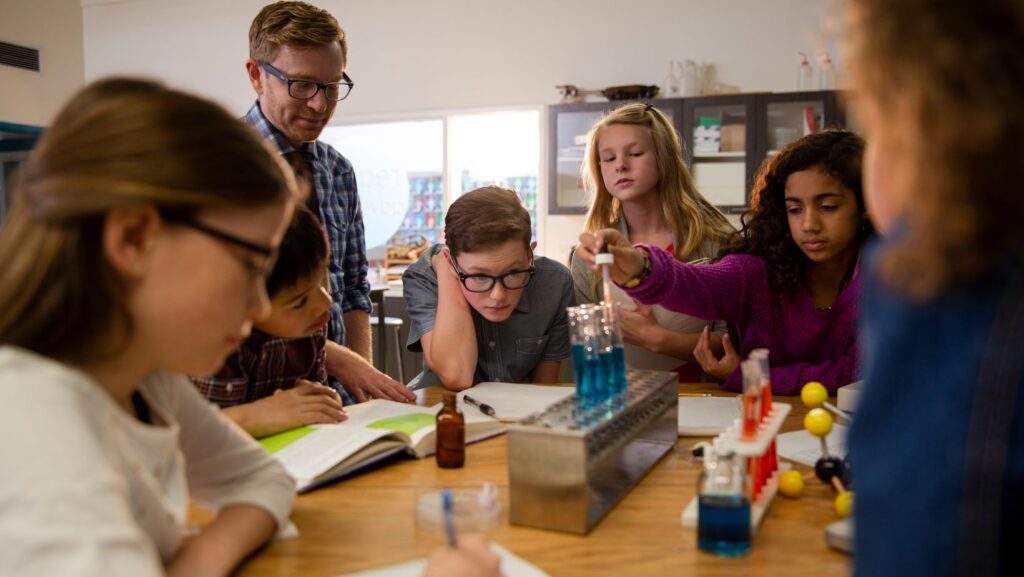
Instructors must enforce science lab safety rules for classroom settings. They must use less hazardous substitutes and limit quantities students handle. They must give clear, step-by-step instructions and supervise closely. They must run demonstrations for high-risk steps. They must require written permission for student work with certain chemicals. Researchers must follow stricter controls for scale, exposures, and documentation. They must complete risk assessments before novel experiments. They must maintain training records and access controls. They must ensure visitors and trainees receive briefings before they enter work areas.
Common Infractions And How To Prevent Them
People often break science lab safety rules by taking shortcuts. They often skip PPE to save time. They often eat at benches even though bans. They often label samples poorly. They often use damaged equipment without reporting it. Supervisors must address these behaviors with clear policies and consequences. They must run regular training sessions and spot checks. They must provide convenient PPE stations and properly labeled waste containers. They must encourage a culture where people report hazards without blame. They must reward safe behavior and correct unsafe acts immediately.
Additional Resources And Lab Safety Best Practices
Agencies publish science lab safety rules and guides. The Occupational Safety and Health Administration gives chemical handling standards. The Centers for Disease Control provides biological safety recommendations. Universities post lab manuals and form templates for risk assessments. Vendors supply spill kits, compatible PPE, and storage cabinets. Supervisors should link to these resources and keep printed copies near work areas. Teams should review best practices quarterly and update protocols after incidents.